EV Charger Installation Bloomfield Township, MI
Charging at home can make EV ownership simpler: plug in after work, wake up with usable range, and reduce reliance on public stations for everyday driving. Executive Electric is located at 20504 Hall Rd, Clinton Township, MI 48038, and provides a clear starting point for people considering EV Charger Installation in Bloomfield Township, MI. A properly planned home charging setup is not simply a matter of mounting a device. It involves matching the charger, electrical capacity, circuit protection, and charging habits to the vehicle and the home.
Whether you have just ordered an electric vehicle, are replacing a basic plug-in setup, or need charging capacity for more than one driver, thoughtful planning helps prevent costly surprises. Homeowners in Michigan commonly weigh charging speed, electrical-panel space, garage or driveway layout, cable reach, and future vehicle needs. Executive Electric can be contacted to discuss your project details and the next appropriate step.
Make Home Charging Fit Your Vehicle and Daily Routine
The right charging arrangement depends on how far you drive, how long the vehicle is parked, and what the home electrical system can safely support. Many EV owners find that overnight Level 2 charging meets normal daily needs more conveniently than relying on a standard household outlet. A dedicated charging circuit can also provide a more organized, permanent solution than running temporary cords or adapting an existing receptacle.
For a typical residence, the decision starts with the vehicle’s onboard charging capability and the charger’s output rating. Higher output does not automatically mean a better result if the vehicle cannot accept that rate or if the household electrical service needs changes first. Choosing equipment and installation details around real use patterns is more practical than selecting a charger based only on its maximum advertised output.
Level 1, Level 2, and practical charging expectations
Level 1 charging generally uses a standard household receptacle and can work for drivers with modest daily mileage and long parking windows. Level 2 equipment uses a 240-volt circuit and usually provides substantially faster home charging, making it a common choice for regular commuters, larger-battery EVs, and households that want more flexibility. DC fast charging is generally a public or commercial solution, not the usual residential installation option.
- Level 1: A lower-speed option that may suit limited driving needs when a safe, appropriate receptacle is available.
- Level 2: A dedicated 240-volt charging solution for more reliable overnight or daytime replenishment.
- Future planning: Consider whether a second EV, longer commute, or upgraded vehicle could change your electrical needs later.
Electrical capacity is the first important check
An EV charger is a sustained electrical load, so the installation should account for the home’s service size, panel capacity, available breaker spaces, existing large loads, and the proposed charging circuit. Air conditioning, electric heat, dryers, ranges, hot tubs, and workshops can all affect the overall calculation. If the existing system cannot accommodate the desired charger configuration, alternatives may include a lower-output unit, load-management equipment where appropriate, or electrical upgrades determined through a professional evaluation.
Location matters as much as power. The equipment should be positioned so the connector reaches the vehicle without creating a trip hazard, stretching the cable, or blocking normal garage access. Outdoor setups require equipment and installation methods suited to the environment, while detached garages may require additional planning for the electrical path back to the service equipment.
What a Well-Planned Installation Process Looks Like
A home charger project should begin with information gathering, not guesswork. Executive Electric can use your vehicle, preferred charger, parking location, and electrical-system details to help frame the project. This approach gives you a better basis for discussing circuit requirements, equipment placement, permitting questions, and any conditions that could affect scope.
- Identify your charging goal: Share the vehicle model, expected mileage, desired charging window, and whether another EV may be added later.
- Review the electrical system: Evaluate the service panel, breaker capacity, electrical loads, and potential route for wiring.
- Choose placement and equipment: Determine a practical mounting location, connector reach, charger type, and indoor or outdoor considerations.
- Address required project details: Confirm the appropriate installation approach, including local permitting or inspection requirements when applicable.
- Complete and use the system safely: Once installed, follow the charger and vehicle manufacturer instructions for normal operation and monitoring.
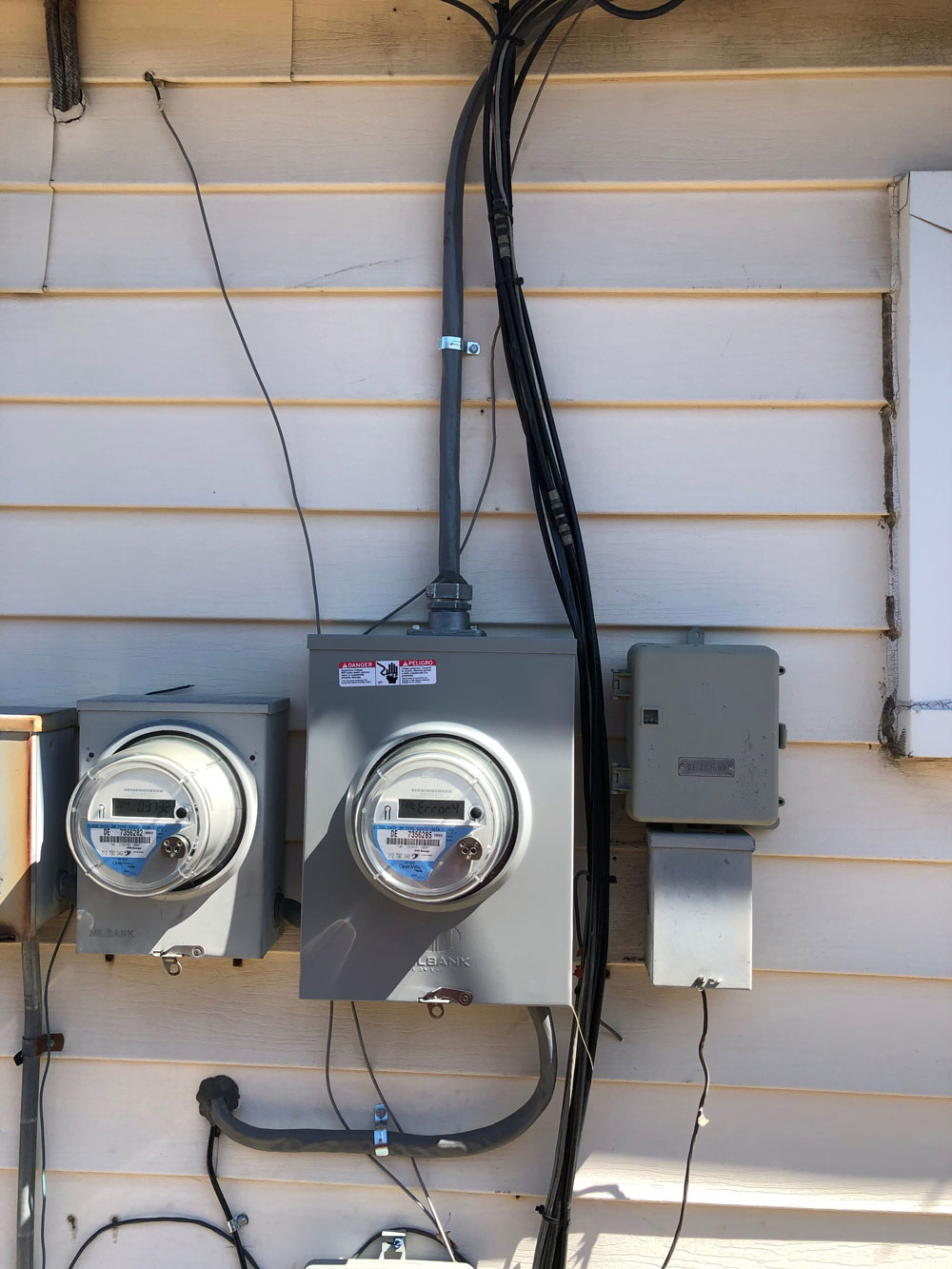
Before scheduling work, it is useful to have photos of the electrical panel, the proposed parking area, and the route between them. You can also note the charger brand or model you are considering, although homeowners do not need to have every answer before reaching out. Early discussion can clarify whether a hardwired charger or receptacle-based setup better fits the equipment and planned use.
Questions that help define the scope
Clear project information supports a more productive conversation and helps avoid choosing equipment that does not fit the home. Ask about the circuit size needed for the intended charger, whether the existing panel has suitable capacity, where equipment can be mounted, and what changes may be needed if you add another EV. It is also sensible to ask how outdoor exposure, cable management, and future electrical upgrades could affect the overall plan.
- Will the charger be installed in an attached garage, detached garage, carport, or exterior wall?
- How far is the parking location from the electrical panel?
- Is the charger intended for one vehicle or shared between two vehicles?
- Do you want app-based scheduling, energy monitoring, or utility-rate scheduling features?
- Are you replacing an existing charger or starting with a new dedicated circuit?
Charging Options Worth Comparing Before You Buy
The best equipment choice is usually the one that safely meets your routine rather than the one with the most features. A hardwired unit can offer a clean, dedicated arrangement, while a plug-in unit may be appropriate when paired with the correct receptacle and electrical design. Connector compatibility, cable length, enclosure rating, warranty terms from the manufacturer, and available controls are all worthwhile comparison points.
Electric car charger installation is often requested by new EV owners who want a dependable way to recharge at home instead of planning every trip around public infrastructure. The service should consider more than the charger itself, including the circuit, overcurrent protection, physical mounting location, and the path the cable will take. A tailored approach can help align the installation with everyday driving instead of forcing a household into a one-size-fits-all setup.
EV charging station installation can be appropriate when the goal is a fixed, dedicated charging location in a garage, driveway, or other parking area. Homeowners should compare fixed-output and adjustable-output units, especially if electrical capacity or future plans are important factors. The charger should be selected and installed according to its manufacturer requirements and the conditions of the property.
EV charging point installation focuses on creating a practical place to connect the vehicle whenever it is parked at home. Placement should allow normal vehicle access and adequate cable reach without relying on extension cords or improvised routing. For homes with multiple drivers, deciding which parking position will be used most often can make the finished setup easier to live with.
Smart EV charger installation may appeal to drivers who want scheduling, charging-status visibility, or energy-use information through compatible equipment. These features can be useful for charging during selected hours, but connectivity should be treated as an added convenience rather than a substitute for sound electrical planning. Confirm that the selected unit’s controls, network needs, and software features fit how you expect to use it.
A Professional EV charger installer can help translate vehicle specifications and site conditions into an installation plan that addresses safety, usability, and electrical capacity. Professional assessment is particularly valuable when the panel is full, the charger location is far from the service equipment, the property has major electric loads, or an exterior installation is planned. Rather than assuming an existing outlet or unused breaker is suitable, ask for the project to be evaluated in the context of the complete electrical system.
Why Executive Electric Is Relevant to Bloomfield Township Projects
Executive Electric offers a direct contact option for homeowners exploring EV Charger Installation and related electrical planning. The company’s listed location is 20504 Hall Rd, Clinton Township, MI 48038. That address should not be confused with a Bloomfield Township office location, but it gives prospective customers a specific company location to reference when initiating a conversation about a Michigan EV charging project.
Good EV charging decisions are based on details, including your vehicle, parking configuration, preferred equipment, and the condition and capacity of the electrical system. Executive Electric can be a useful point of contact when you want to move from broad research to a project-specific discussion. Bringing your questions, photographs, and charger preferences helps make that conversation more efficient and focused.
Frequently Asked Questions
How long does a home EV charger installation take?
Installation time varies with the electrical-panel condition, wiring distance, charger location, equipment choice, and any required permitting or upgrades. A straightforward nearby installation may involve less work than a project requiring a long wire run, panel changes, or exterior mounting. Discussing site details first is the best way to understand the likely scope.
Do I need Level 2 charging at home?
Not every EV owner needs Level 2 charging. Level 1 may work for low daily mileage and long parking periods, while Level 2 is often preferable for faster replenishment, more frequent driving, larger batteries, or multiple EVs. Your driving routine and electrical capacity should guide the decision.
Can an existing outlet be used for an EV charger?
An existing outlet should not be assumed suitable simply because it is near the vehicle. The receptacle type, circuit rating, wiring condition, breaker protection, continuous-load requirements, and whether other loads share the circuit all matter. A dedicated, properly evaluated charging circuit is often the more appropriate long-term approach.
What should I prepare before contacting Executive Electric?
Have your EV model, charger information if selected, photos of the electrical panel, and a description of where the vehicle parks. Mention any other major electric appliances and whether you expect to add a second EV. Contact Executive Electric through the form to discuss EV Charger Installation for Bloomfield Township, MI and the next steps for your property.
Ready to plan a more convenient way to charge at home? Contact Executive Electric to discuss your vehicle, desired charging location, and electrical considerations. Executive Electric is located at 20504 Hall Rd, Clinton Township, MI 48038. Contact Executive Electric to begin a project-specific conversation.