EV Charger Installation Bloomfield Hills, MI
EV Charger Installation gives Bloomfield Hills drivers a practical way to make daily EV ownership easier: charge at home, wake up with usable range, and rely less on public charging for routine trips. A properly planned home charging setup considers the vehicle, the electrical panel, the parking location, and the charging speed that fits the household. Executive Electric is located at 20504 Hall Rd, Clinton Township, MI 48038, and can be contacted to discuss service needs for Bloomfield Hills, MI.
Whether you recently purchased an electric vehicle, are replacing a basic portable cord with a dedicated circuit, or are planning for a second EV, the right installation starts with clear questions. The goal is not simply to mount charging equipment. It is to create a safe, convenient connection that works with the home’s electrical system and everyday driving habits.
Why a dedicated home charger can make EV ownership simpler
A dedicated charger can provide more predictable overnight charging than a standard household receptacle, depending on the equipment and electrical capacity involved. It can also keep the charging setup organized at the parking space and reduce the need to repeatedly manage portable charging cords. For many households, this convenience is the main reason to explore EV Charger Installation in Bloomfield Hills, MI.
Charging needs vary widely. A driver with a short daily commute may have different priorities than a household that drives frequently, has more than one EV, or wants to replenish more range between evening and morning. A thoughtful plan matches the circuit, charger output, cable reach, and installation location to real use rather than selecting equipment based on a single feature.
- Daily convenience: Start charging where the vehicle is parked instead of making separate stops for routine energy needs.
- Appropriate charging speed: Choose a setup that aligns with the vehicle and the time available to charge.
- Cleaner cable management: Place equipment where the connector can reach the vehicle without creating avoidable trip or storage issues.
- Future planning: Consider whether a future vehicle, additional driver, or electrical upgrade could change the household’s needs.
Start with the vehicle, parking space, and electrical panel
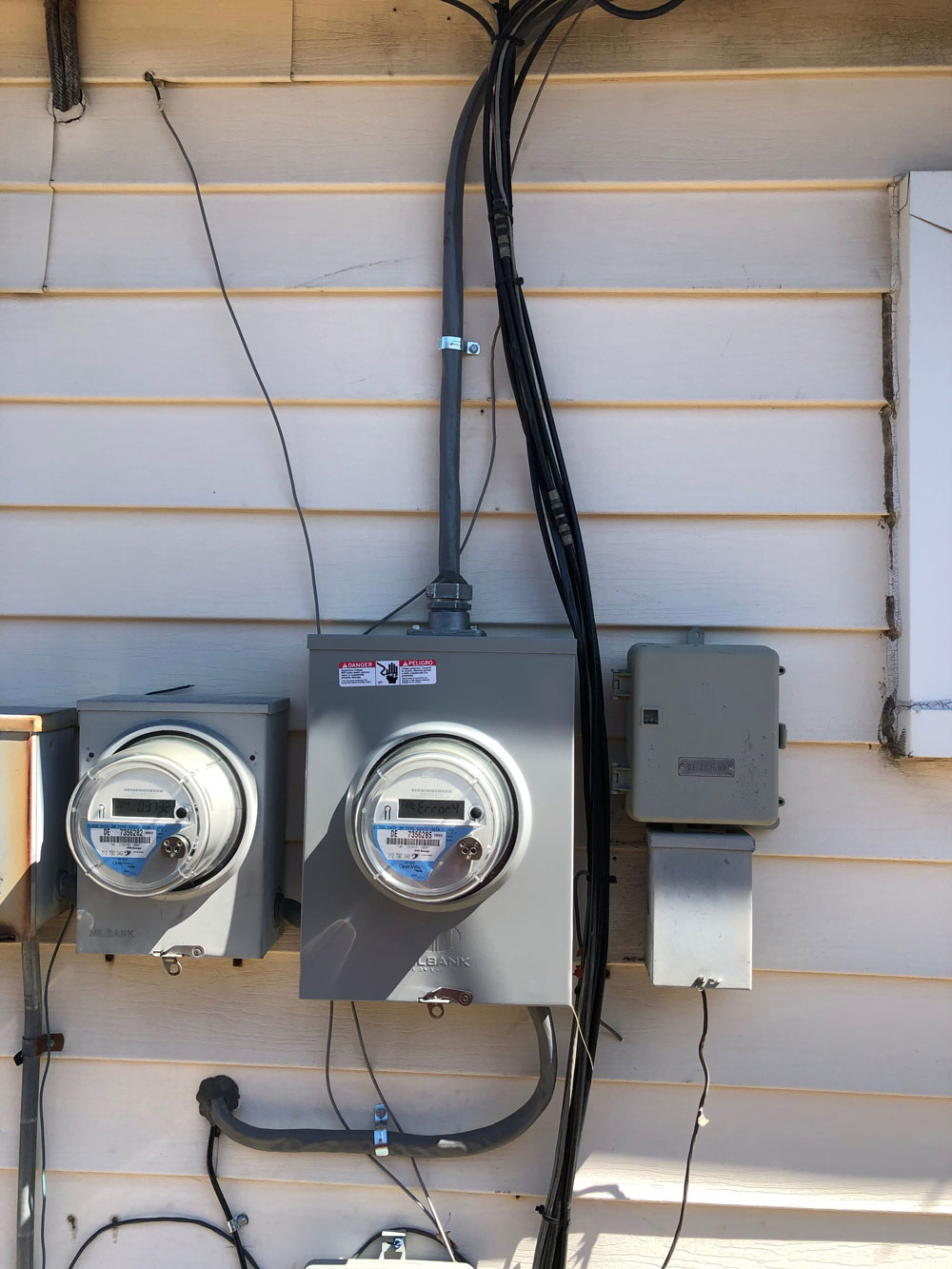
The first planning step is understanding where the EV normally parks and how far the charging connector must reach. Garage, carport, and exterior parking arrangements can lead to different mounting, wiring, weather-protection, and cable-routing considerations. It is also important to identify the electrical panel’s location and evaluate whether the existing system can support the planned load.
Homeowners should have the charger model or its electrical specifications available before discussing the project. The vehicle’s onboard charging capability, the charger’s required circuit, and the intended charging schedule all affect the design. If panel capacity is limited, the conversation may include alternatives such as a lower-output charger, load-management equipment, or an electrical service or panel upgrade when appropriate.
What a professional installation process should address
A home charging project should move from assessment to equipment selection, installation planning, and final use guidance. This sequence helps avoid choosing a charger before confirming that the site can support it. It also gives the homeowner a clearer basis for comparing options and asking informed questions.
- Discuss charging habits: Consider the EV model, typical miles driven, parking routine, and desired charging window.
- Review the electrical system: Identify panel capacity, available space, circuit requirements, and the most sensible route for wiring.
- Select the equipment and location: Choose a charger type and mounting position that provide usable cable reach and suit the environment.
- Complete the electrical work: Install the dedicated circuit, charging equipment, and associated components according to the project requirements.
- Verify operation: Confirm that the equipment powers on, communicates or charges as intended where applicable, and can be used safely by the household.
Permitting and inspection requirements can depend on the property and local jurisdiction. Asking about those steps early helps a homeowner understand the project timeline and responsibilities. It is also wise to ask how wall penetrations, exterior components, conduit runs, and charger placement will affect the finished appearance of the property.
Choosing the right charging approach for your routine
Electric car charger installation is most useful when the equipment choice reflects how the vehicle is actually used, not just the highest available charging output. Electric car charger installation can involve evaluating a basic dedicated Level 2 home charger, a hardwired unit, or another compatible configuration based on the EV, panel capacity, and parking setup. A clear conversation about overnight dwell time often reveals that a balanced, properly sized setup is more valuable than an unnecessarily complex one.
Level 1 charging generally uses a standard household outlet and may suit limited driving needs, but it typically replenishes range more slowly. Level 2 charging uses a higher-voltage dedicated circuit and is a common home solution for drivers who want more charging capacity during the hours a vehicle is parked. Public fast charging remains useful for road trips and occasional rapid replenishment, but it does not replace the convenience of dependable at-home charging for every driver.
Equipment options that deserve a closer look
EV charging station installation may refer to a wall-mounted residential charger or a more robust setup designed around the property’s charging needs. EV charging station installation should account for connector type, cable length, indoor or outdoor placement, electrical rating, and whether the unit is plug-in or hardwired. These details affect everyday usability as much as charging speed does.
Hardwired equipment can be a suitable option when the charger and circuit are intended to be a permanent part of the electrical system. A receptacle-based arrangement may offer different equipment flexibility, but the selected receptacle, circuit, and charger must be compatible with one another. The best choice depends on the home, the product specifications, and the owner’s plans, so there is no universal answer for every garage.
EV charging point installation focuses on placing the connection point where it is easy to use without stretching the cable across a walkway or parking area. EV charging point installation also calls for practical attention to mounting height, protection from physical damage, access to the port on the vehicle, and conditions at an exterior location when applicable. Planning this placement before wiring begins can make the finished setup feel intentional rather than improvised.
A charger should be accessible enough for regular use while keeping the cable stored neatly when not in use. Homeowners may also want to consider how a different EV could park in the same space later. Thinking through vehicle position now can prevent a charger location from becoming inconvenient after the next vehicle purchase.
Why professional electrical planning matters
A dedicated EV circuit is an electrical project, not merely an appliance purchase. A Professional EV charger installer can help evaluate electrical load, circuit sizing, wiring paths, overcurrent protection, equipment instructions, and the conditions at the proposed installation site. This planning is especially important in homes with older electrical systems, full panels, long distances between the panel and parking area, or multiple major electrical loads.
Executive Electric can be a useful contact point when you want to discuss the project before committing to a charger location or model. Share the EV make and model, charger information if already purchased, photos of the electrical panel and parking area when requested, and any desired charging schedule. Specific information helps make the discussion more productive and reduces uncertainty around the scope of work.
- Will the existing electrical panel support the proposed dedicated circuit?
- Is the charger better positioned indoors, outdoors, or near a particular parking space?
- What circuit and equipment requirements apply to the selected charger?
- Could a future second EV change the recommended plan?
- What permit or inspection steps may apply to this property?
When smart features are worth considering
Smart EV charger installation can be helpful for drivers who want app-based scheduling, charging-status visibility, notifications, or other connected features offered by compatible equipment. Smart EV charger installation still requires the same careful attention to circuit capacity, placement, and manufacturer requirements as any other charger project. Connected features are a convenience option, not a substitute for sound electrical design.
Before selecting a connected charger, consider whether reliable Wi-Fi reaches the planned location and whether the app features solve a real need. Scheduling may be useful for a household that wants charging to occur during chosen hours, while simple status alerts can help drivers confirm that the vehicle is plugged in. Drivers who prefer fewer connected features may be equally well served by a straightforward compatible charger.
Talk with Executive Electric about a Bloomfield Hills charging plan
EV Charger Installation in Bloomfield Hills, MI should be based on the home’s electrical conditions and the way the vehicle is driven. Executive Electric’s listed location is 20504 Hall Rd, Clinton Township, MI 48038, not Bloomfield Hills, so prospective customers can contact the company directly to discuss whether their property, equipment, and service request are a fit. Providing a few project details at the outset can help guide the next steps.
If you are comparing chargers, planning a new EV purchase, or concerned that your panel may need attention, a direct conversation can clarify the available paths. Contact Executive Electric through the information below to discuss a home charging setup in Michigan and ask the practical questions that matter before installation.
Questions Bloomfield Hills EV owners often ask
How long does a home EV charger installation take?
Timing depends on the electrical panel, wiring distance, charger location, equipment requirements, and any permit or inspection steps. A straightforward project may differ substantially from one requiring a panel upgrade, exterior trenching, a long conduit run, or changes to support additional electrical load.
Do I need a panel upgrade for a Level 2 charger?
Not always. Whether an upgrade is needed depends on the home’s existing service capacity, current electrical loads, available panel space, and the circuit required by the selected charger. An electrical assessment is the appropriate way to determine whether the current system can support the planned charging equipment.
Can an EV charger be installed outside?
Yes, outdoor placement may be possible when the charging equipment is rated for the environment and the installation addresses weather exposure, wiring protection, mounting, and cable management. The parking arrangement and local requirements should be reviewed before selecting the final location.
What should I have ready before contacting Executive Electric?
Have the EV model, charger make and model if chosen, desired installation location, photos or details of the electrical panel, and questions about your driving routine ready. For Bloomfield Hills, Michigan homeowners, these details help Executive Electric discuss an EV charging solution that is grounded in the property’s actual needs.
Ready to plan your home charging setup? Contact Executive Electric to discuss EV Charger Installation for your Bloomfield Hills property. Executive Electric is located at 20504 Hall Rd, Clinton Township, MI 48038, and can help you begin the conversation with the vehicle, equipment, and electrical details that shape a well-planned installation.