EV Charger Installation Bloomfield, MI
Convenient home charging starts with a circuit, charger, and installation plan that fit the vehicle and the electrical system. For drivers researching EV Charger Installation Bloomfield, MI, Executive Electric provides a clear point of contact for discussing a dedicated charging solution, site conditions, and the next practical steps. Executive Electric is located at 20504 Hall Rd, Clinton Township, MI 48038, not in Bloomfield, so customers can make an informed service inquiry without assuming a Bloomfield office location.
A properly planned charger installation can replace repeated public-charging stops with reliable charging where the vehicle is parked. It can also help a household manage future vehicle changes, garage use, and electrical capacity before equipment is selected. The goal is not simply to mount a charger, but to create a safe, usable charging setup that makes daily EV ownership easier.
What a home EV charging project should accomplish
A residential charging project should provide the right charging rate for the vehicle, protect the electrical system, and place the equipment where the charging cable can reach without becoming an obstacle. Many owners choose a Level 2 charger because it uses 240-volt power and can deliver substantially more energy than a standard household outlet, subject to the vehicle, charger, and available circuit capacity. The best choice depends on driving habits, time parked at home, panel capacity, and the manufacturer’s charging limits.
- Daily convenience: Start the day with a replenished battery instead of planning every trip around a public charger.
- Purpose-built power: A dedicated circuit is designed around the charging equipment rather than relying on an overloaded existing outlet.
- Room to plan ahead: Electrical evaluation can reveal whether a future second EV, panel upgrade, or different charger location should be considered now.
- Cleaner garage use: Thoughtful placement helps keep cords, doors, vehicles, and walkways working together.
Level 1, Level 2, and charging equipment choices
Level 1 charging generally uses a standard 120-volt outlet and may work for drivers with low daily mileage and long parking periods. Level 2 charging requires 240-volt service and is often a more practical home option for drivers who want faster overnight replenishment. A hardwired unit and a receptacle-based installation can each be appropriate in different situations; equipment requirements, local electrical rules, and the desired flexibility of the setup should guide the decision.
Electric car charger installation is more than choosing a charger from a retail shelf. It involves matching the unit’s electrical requirements to a correctly sized circuit, evaluating where power can be routed, and considering the vehicle’s connector and onboard charging capability. A useful planning conversation identifies whether a homeowner needs simple overnight charging or a higher-capacity arrangement for heavier daily use.
Why panel capacity matters before equipment is purchased
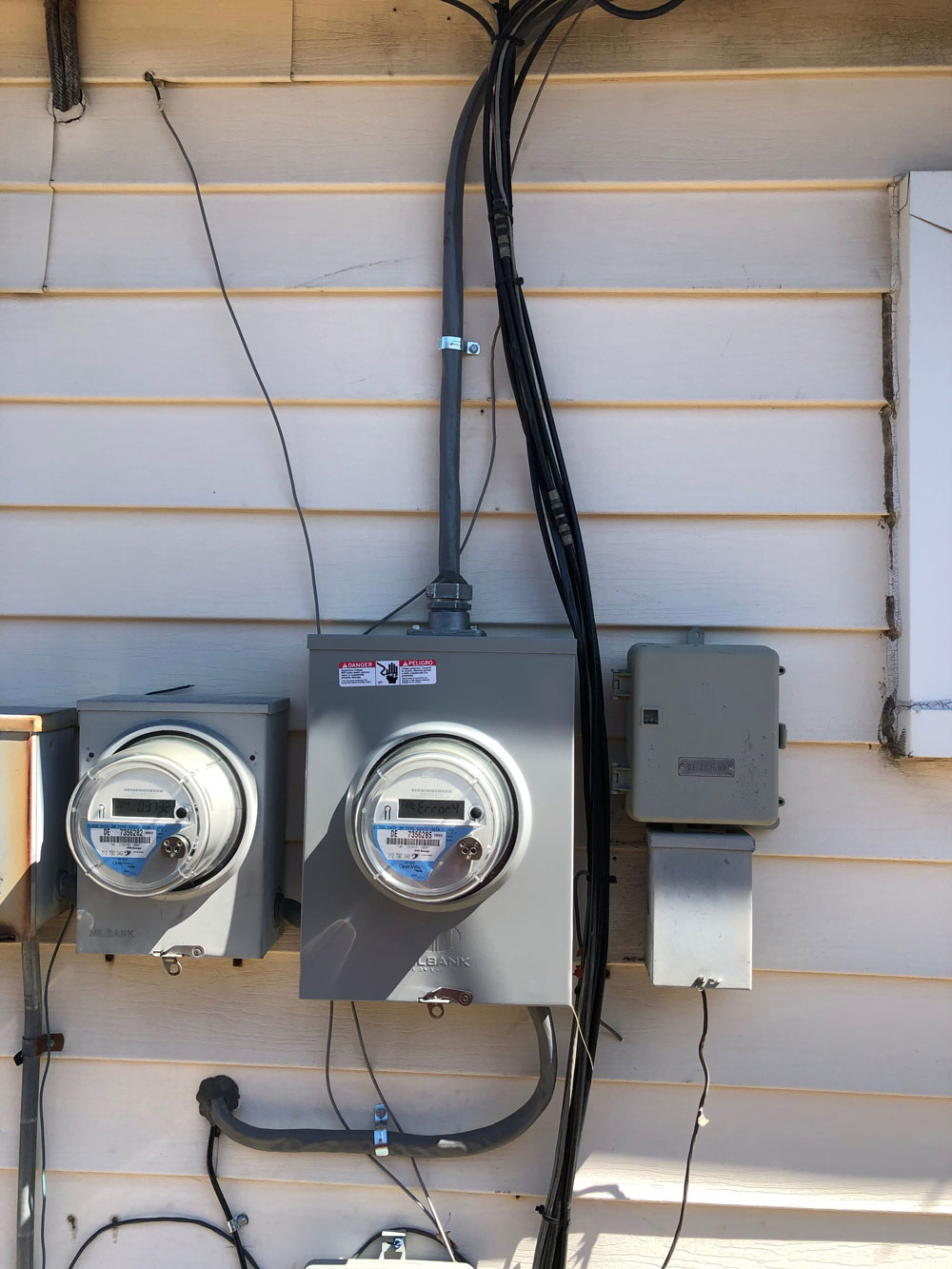
An EV charger can be a significant new electrical load, so the existing panel deserves attention before installation begins. A load calculation and examination of available breaker space help determine whether the current service can support the planned circuit or whether changes may be needed. This review helps avoid selecting equipment based only on its maximum advertised output when the home should use a different configuration.
EV charging station installation should account for the entire electrical path, not only the charging unit on the wall. That path may include the service panel, breaker, wiring route, disconnecting means where applicable, and the final location of the charger. Understanding these components makes estimates and installation recommendations easier to compare on meaningful terms.
A practical path from parking space to charging routine
The installation process typically begins with a site assessment and ends with a charging setup that the owner can use confidently. Access to the garage, parking area, panel, and intended cable route affects the scope of work. Existing construction, distance from the panel, outdoor exposure, and whether the charger will be hardwired can all affect the final plan.
- Define the charging need. Consider the vehicle, average mileage, arrival time, departure time, and whether another EV may be added later.
- Review the electrical system. Identify panel capacity, open spaces, load considerations, and a feasible route for new wiring.
- Choose equipment and placement. Select a charger type and mounting location that keeps the connector accessible and the cable manageable.
- Complete the electrical work. Install the appropriate circuit and equipment according to the approved plan and applicable requirements.
- Verify operation. Confirm that the charger powers up, communicates or charges as intended, and that the owner understands everyday use.
EV charging point installation is especially useful when the preferred parking space is not directly beside the electrical panel. Routing needs can vary substantially between an attached garage, detached structure, driveway location, or carport. Discussing the normal parking position and cable reach early helps prevent a charger location that looks convenient on a wall but is awkward in real use.
Indoor, outdoor, and garage placement considerations
Placement should support safe access in the conditions where the vehicle is actually charged. For an outdoor unit, equipment suitability for the environment, weather exposure, mounting surface, cable management, and power routing deserve careful consideration. In a garage, door swing, storage areas, vehicle clearance, and the path people walk through can influence where a charger belongs.
Some owners assume the charger must sit immediately next to the vehicle’s charging port. In practice, a location with appropriate cable reach and fewer obstructions may be more useful, provided the equipment is installed in a way that supports normal operation. Planning for a future vehicle with a port in a different location can also make the installation more adaptable.
Choosing a provider and charger with confidence
The right provider conversation is specific to the property and the way the vehicle will be used. Homeowners should be able to explain their vehicle model, preferred charger, parking location, electrical panel location, and desired charging schedule. Photos of the panel and parking area can also help clarify the starting conditions before an on-site review or detailed planning discussion.
Professional EV charger installer support matters because charging equipment connects a high-demand appliance to a home’s electrical system. A professional approach considers circuit protection, conductor sizing, equipment instructions, placement, and applicable permit or inspection requirements rather than treating the work as a simple outlet replacement. Ask for clarity about what the proposed scope includes, what assumptions are being made about the existing electrical system, and what may change if conditions behind walls or inside the panel differ from expectations.
Questions worth raising before work begins
A well-defined project reduces surprises and helps the owner compare options fairly. Rather than focusing only on charger price, consider how the plan addresses capacity, installation access, long-term usability, and the equipment’s features. The following points can guide a productive discussion with Executive Electric or another electrical provider:
- Is Level 1 sufficient for the household’s mileage, or would Level 2 better fit the routine?
- Will the existing electrical panel and service support the planned circuit?
- Should the unit be hardwired, or is a receptacle-based configuration appropriate for the equipment and location?
- What wiring route and mounting location will keep charging convenient and reduce cable clutter?
- Are local permits or inspections applicable to the planned work?
- Would planning for a second EV now avoid a more disruptive project later?
Smart EV charger installation can be a sensible option for owners who value scheduling, usage visibility, or connected controls. Features vary by manufacturer, and a smart model still needs an electrical installation that is appropriate for its rated load and location. Before choosing one, consider whether home network access at the parking area, app preferences, utility-rate scheduling, and guest-use controls are genuinely useful for the household.
Smart features are not mandatory for effective home charging. A simpler charger may be a better fit for drivers who want dependable plug-in charging without app management, while a connected unit can offer more control for households that monitor energy use or schedule charging periods. The electrical foundation remains the priority in either case.
Talk with Executive Electric about your charging plan
Executive Electric can be contacted at its Clinton Township location at 20504 Hall Rd, Clinton Township, Michigan 48038 to discuss the details that shape an EV charging project. Sharing the vehicle type, charging goals, parking arrangement, and panel information gives the conversation a practical starting point. For Bloomfield, MI homeowners, clear project details are the best way to determine the next step without assumptions about equipment or scope.
Whether you are moving from a portable cord to a dedicated charger, preparing for a new EV, or evaluating a higher-capacity setup, start with the conditions at your property. Contact Executive Electric to discuss EV Charger Installation and request guidance tailored to the information you can provide. Contact Executive Electric online to begin the conversation with the Clinton Township, MI location.
Frequently asked questions
How long does a home EV charger installation take?
Timing depends on the electrical panel, wiring distance, charger location, access to the work area, and any applicable permit or inspection process. A straightforward installation may involve fewer steps than a project requiring a longer wire route, panel work, or changes to accommodate the planned electrical load.
Do I need a Level 2 charger for an electric vehicle?
No. Level 1 charging can work for some drivers, particularly when daily mileage is low and the vehicle has many hours to charge. Level 2 charging is often preferred when faster home replenishment, more driving flexibility, or a dedicated 240-volt charging circuit better suits the household routine.
Can my existing electrical panel support EV charging?
That depends on the panel’s rating, current loads, available breaker space, and the charging circuit being considered. An electrical assessment and load calculation help determine whether the existing system can support the equipment or whether a different charging configuration or electrical upgrade should be considered.
Is Executive Electric located in Bloomfield, Michigan?
Executive Electric’s supplied location is 20504 Hall Rd, Clinton Township, MI 48038. Bloomfield, MI is the target service area addressed by this page, not a stated Executive Electric office location. Contact Executive Electric to discuss your property, charging needs, and whether the requested project can be arranged.