EV Charger Installation Birmingham, MI
Charging at home can make electric vehicle ownership simpler: you arrive, plug in, and start the next drive with energy available. For property owners seeking EV Charger Installation in Birmingham, MI, Executive Electric provides a clear starting point for evaluating the charger, electrical capacity, and installation path. Executive Electric is located at 20504 Hall Rd, Clinton Township, MI 48038, and serves customers seeking practical electrical guidance in the region.
A properly planned home charging setup is more than mounting a device on a wall. It may involve selecting charging output, locating the equipment near where the vehicle parks, assessing the electrical panel, and creating a safe dedicated circuit. The right approach depends on the vehicle, daily driving pattern, garage or driveway layout, and the existing electrical system.
Make home charging fit the way you drive
Most drivers choose a home charger to reduce reliance on public charging and gain a more predictable routine. A Level 2 charging solution generally offers a substantial improvement over a standard household outlet, making it a useful choice for many daily-driven EVs and plug-in hybrids. The best charging arrangement is the one that matches both your vehicle’s capabilities and your household’s electrical capacity.
EV Charger Installation should begin with a site-specific review rather than an assumption that every home needs the same equipment. Electrical panel capacity, available breaker space, distance to the parking area, wiring route, and charger amperage all affect the scope. Addressing these details before work begins helps create a charging station that is convenient to use and appropriately planned for the property.
A practical charging choice for everyday ownership
Drivers with regular commutes, multi-vehicle households, or limited time for public charging often benefit most from a dedicated home charging circuit. Plugging in overnight can support a consistent daily routine without needing to make special stops. A charging solution can also be appropriate for homeowners preparing for a new EV delivery or replacing a slower outlet-based setup.
- Convenience: Charge where the vehicle is normally parked.
- Predictability: Build charging into an overnight or off-peak routine when available through your utility plan.
- Control: Choose equipment features and charging output that suit the vehicle and household.
- Property-specific planning: Account for panel space, cable routing, and parking configuration before installation.
Level 1 and Level 2 are different planning decisions
Level 1 charging typically uses a standard household receptacle and can be adequate for lower daily mileage or plug-in hybrid use. Level 2 charging uses a higher-voltage circuit and is often selected when faster at-home replenishment is important. The comparison is not simply about speed: a Level 2 installation may require an electrical capacity review and dedicated wiring, while a basic outlet still needs to be in safe condition and used as intended.
Equipment can be hardwired or connected through an appropriate receptacle, depending on the charger and installation plan. Hardwired units can offer a clean permanent arrangement, while plug-in equipment may be attractive where flexibility is a priority. An electrician can help clarify which option fits the selected charger, the location, and the home’s electrical infrastructure.
What a well-considered installation process includes
Thoughtful EV charger work follows a sequence: understand charging needs, inspect the site, determine electrical requirements, and then install equipment according to the final plan. This process helps prevent an inconvenient charger location, an undersized circuit, or a surprise panel limitation after equipment has already been purchased. It also gives the homeowner a useful basis for comparing options.
- Identify the vehicle and charging goal. Consider the vehicle’s charging capacity, typical daily miles, and the amount of time it will be parked.
- Review the parking and equipment location. A practical location keeps the connector within reach without creating an awkward cable path.
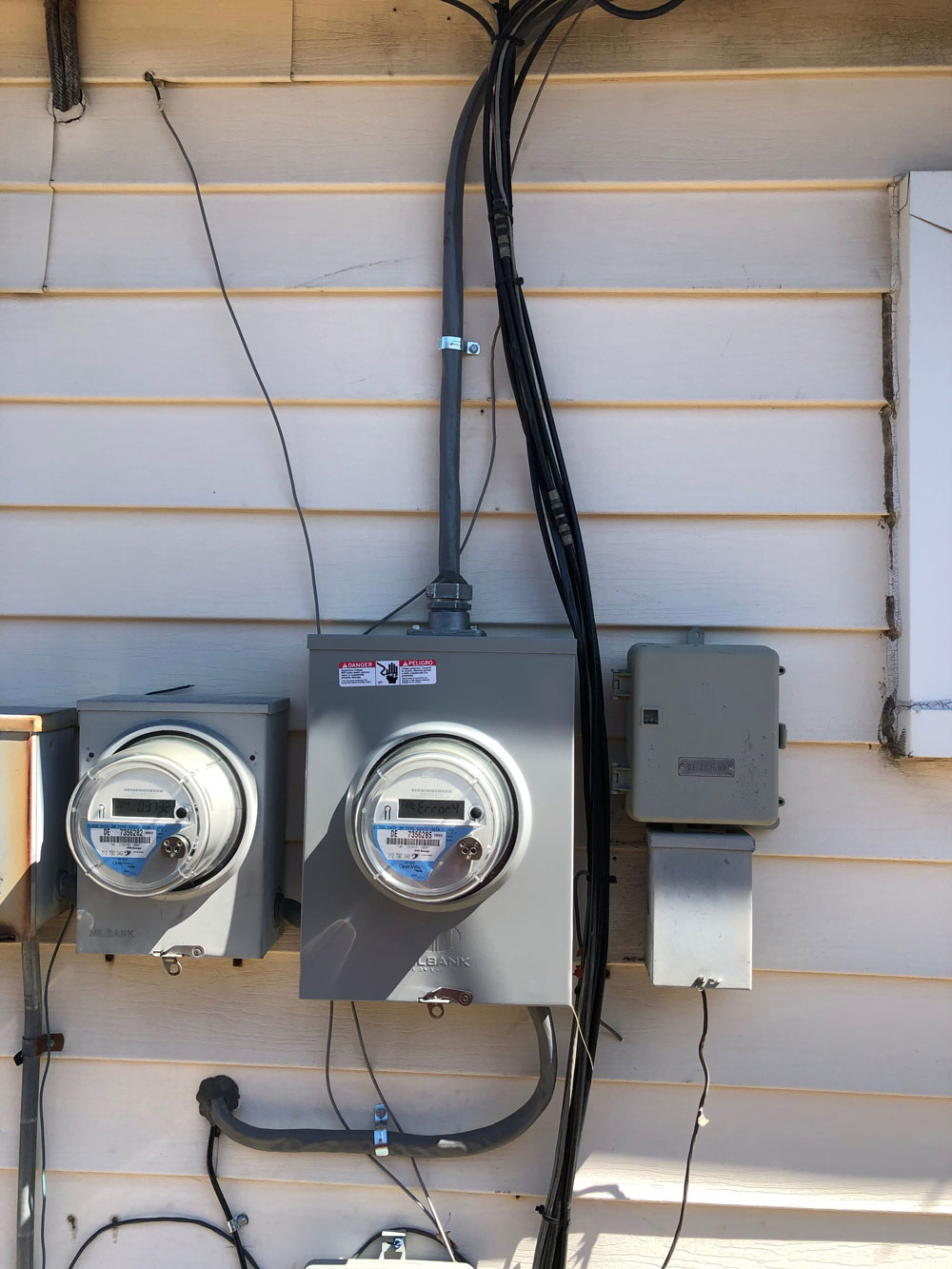
- Assess the electrical system. The panel, service capacity, available space, and route for new wiring influence the design.
- Select compatible equipment. Compare amperage, connector compatibility, smart features, hardwired versus plug-in configuration, and weather exposure where relevant.
- Complete installation and verify operation. The final setup should be tested so the homeowner understands normal charging use and equipment controls.
Electrical capacity deserves early attention
An EV adds a meaningful electrical load, so panel and service considerations should be part of the conversation from the beginning. A home may have sufficient capacity and breaker space for a dedicated circuit, or it may need further evaluation before a charger can be added. Avoid choosing charger amperage solely because it is the highest available setting; the appropriate configuration must align with the vehicle, charging equipment, and electrical system.
In some homes, the route from the panel to the garage, carport, or exterior parking area is a major factor in the project. Longer runs, finished walls, underground paths, and outdoor exposure can change the work involved. Discussing the physical route upfront creates a more realistic plan than focusing only on the charger model.
Important EV charging options for Birmingham homeowners
Choosing equipment is easier when the decision is tied to real use rather than a list of product features. Consider who drives the vehicle, when it returns home, whether another EV may be added later, and whether the charger will be indoors or outdoors. Those answers help define a setup that remains useful as household needs change.
Electric car charger installation supports a dependable routine
Electric car charger installation is a useful project for owners who want their vehicle charging arrangement to work with daily life rather than around public station availability. The installation can be planned around the vehicle’s usual parking spot, the required connector reach, and the home’s electrical layout. Considering those elements together helps avoid a charger that is technically installed but inconvenient to use every day.
EV charging station installation involves more than the charger itself
EV charging station installation includes the supporting electrical work that allows the station to operate safely and reliably. The charging unit, dedicated circuit, overcurrent protection, wiring, mounting location, and disconnecting requirements where applicable are all part of the broader system. Homeowners should share the exact charger model or planned specifications so the installation can be evaluated around the actual equipment.
EV charging point installation should account for parking geometry
EV charging point installation works best when the charging point is positioned for normal parking, not a one-time ideal scenario. The cable should reach the vehicle port without being stretched across a walkway, pinched by a garage door, or placed where everyday movement becomes difficult. Garage placement, driveway orientation, port location on the vehicle, and cable management all deserve consideration before the mounting location is finalized.
A professional EV charger installer helps connect the details
A Professional EV charger installer can help a property owner coordinate the charger choice with circuit sizing, equipment placement, and the condition of the electrical system. That coordination matters because EV charging is a continuing load, not an occasional appliance connection. For Birmingham, MI homeowners, working through these details before installation is a sensible way to make an informed decision and avoid relying on assumptions about what the home can support.
Smart EV charger installation adds useful controls
Smart EV charger installation may appeal to drivers who want app-based status updates, scheduling tools, usage tracking, or other connected features offered by their chosen equipment. These features can be helpful, but they do not replace proper electrical planning or change the need for compatible charger settings. Before selecting a smart unit, consider Wi-Fi coverage at the parking location, desired controls, software account requirements, and whether simple plug-in charging would better fit the household.
How to choose an installation provider and prepare for contact
A productive first conversation starts with accurate information about the vehicle, the planned charger, and the property. Executive Electric can be contacted to discuss EV charging needs and the details that influence a potential installation. Clear information helps move the conversation from a broad request to a practical assessment of the work involved.
- The EV or plug-in hybrid make and model, if known
- The charger brand, model, amperage, and hardwired or plug-in preference
- Whether the charger will be in a garage, carport, driveway, or another parking area
- Photos or details of the electrical panel and proposed charger location, when available
- Any plans for a second EV, future electrical upgrades, or outdoor equipment
It is also reasonable to ask how the electrical load will be evaluated, what equipment information is needed before work starts, and what the installation sequence will look like. A clear scope protects the homeowner from treating a charging project as a simple appliance purchase. It also supports better decisions when comparing a lower-output setup, a higher-capacity charger, or a future-ready arrangement.
Common questions about home EV charging
What does EV Charger Installation in Birmingham, MI usually involve?
It usually involves evaluating the vehicle and charger, reviewing the parking location, assessing electrical-panel capacity and circuit needs, routing wiring, mounting or connecting the equipment, and verifying operation. The exact scope depends on the home’s electrical system, charger type, and distance from the panel to the parking area.
Do I need a Level 2 charger at home?
Not every driver does. A standard Level 1 connection may suit lower daily mileage or some plug-in hybrids, while a Level 2 charger is often more practical for drivers who need faster overnight charging. The decision should reflect driving habits, parked time, vehicle capability, and the home’s electrical capacity.
Can an existing electrical panel support an EV charger?
Some panels can support a dedicated EV charging circuit, while others need a closer review of available capacity, breaker space, and household loads. A panel’s age or visible size alone does not answer the question. Electrical evaluation is important before selecting the final charger amperage or installation approach.
Should I buy the charger before contacting Executive Electric?
You can contact Executive Electric before purchasing equipment. Sharing the vehicle model, desired location, and charging goals can help identify the specifications that should be considered. If you already have a charger in mind, provide its model information so compatibility and installation requirements can be discussed.
Plan your charging setup with Executive Electric
Home charging can be a practical upgrade when it is designed around your vehicle, your property, and your daily schedule. Executive Electric, located at 20504 Hall Rd, Clinton Township, Michigan 48038, is available for customers exploring EV charger solutions for Birmingham, MI and surrounding regional needs. Start with the key details of your vehicle and parking setup, then take the next step toward a charging arrangement that makes everyday EV ownership easier.
Contact Executive Electric to discuss your EV charging project and provide the information needed to begin planning. A focused conversation about your electrical panel, chosen equipment, and preferred parking location can help clarify the path forward in Michigan.