Home EV charger installation West Bloomfield Township, MI
Charging an electric vehicle at home should fit your driving routine, your vehicle, and your electrical system. Executive Electric provides a practical starting point for homeowners exploring Home EV charger installation in West Bloomfield Township, MI, from choosing a charging approach to understanding what an electrician needs to evaluate before work begins. The company is located at 20504 Hall Rd, Clinton Township, MI 48038, and prospective customers can contact Executive Electric to discuss their project.
A properly planned home setup can reduce dependence on public chargers and make daily charging more predictable. Whether you drive a battery-electric vehicle, plug-in hybrid, or are preparing for a future purchase, the important questions are usually the same: how much charging speed you need, where the equipment will go, and whether the existing electrical service can support the added load safely.
What a home charging project should accomplish
The right installation provides a safe, convenient place to recharge while matching the vehicle’s capabilities and the household’s electrical capacity. Homeowners in Michigan often want a setup that lets them plug in after returning home and begin the next day with useful range, rather than scheduling frequent stops at public stations. An electrical evaluation helps turn that goal into a workable plan.
A charging project is not simply about mounting equipment on a wall. It may involve selecting a dedicated circuit, determining a suitable amperage, routing wiring to a garage or exterior parking area, and deciding between a hardwired unit or receptacle-based solution. Placement also affects cable reach, weather exposure, vehicle parking habits, and the ability to access the charger without creating a trip hazard.
- Daily convenience: Charge where the vehicle is parked, often during the hours it would otherwise sit unused.
- Charging speed matched to your needs: Choose an approach based on commuting, battery size, and available time at home.
- Dedicated electrical planning: Account for continuous load and the condition of the existing panel and service.
- Future flexibility: Consider a second EV, a different vehicle connector, or a later equipment upgrade before finalizing the design.
Level 1 and Level 2 are different daily-use options
A standard 120-volt Level 1 cord can be appropriate for some low-mileage drivers, especially when the vehicle remains parked for long periods. However, many households prefer the faster replenishment associated with a 240-volt Level 2 circuit. The best choice depends on actual driving patterns and electrical capacity, not just the largest charger rating available.
Level 2 EV charger installation is a common consideration for drivers who want more charging flexibility at home. A Level 2 setup uses 240-volt power and can add considerably more energy over an overnight charging window than a typical 120-volt outlet, subject to the vehicle and equipment ratings. An electrician should size the circuit and equipment in accordance with the intended load and the home’s electrical system.
240V EV charger installation requires more than adapting an existing household outlet. The project typically calls for a dedicated circuit, correctly selected overcurrent protection, appropriate conductor sizing, and a location that supports safe, practical cable use. A site review can identify whether panel space, service capacity, wiring route, or other electrical factors need attention before installation.
Choosing between a hardwired charger and a charging outlet
Both hardwired chargers and outlet-based charging arrangements can be suitable, but they solve slightly different needs. A hardwired unit is permanently connected to its circuit, while a receptacle setup can allow a compatible portable or plug-in charging device to be used. The choice should reflect the equipment manufacturer’s instructions, the desired location, and how likely the homeowner is to change equipment later.
EV charging outlet installation may make sense when a homeowner has equipment designed to plug into a correctly rated receptacle. The receptacle, circuit, and plug configuration must be selected for the charging equipment and continuous electrical demand, rather than treated like an ordinary convenience outlet. Discussing the exact charging device before work begins helps avoid a mismatch between the installed outlet and the equipment you plan to use.
A hardwired station can reduce reliance on a plug-and-receptacle connection and may create a clean, dedicated appearance in a garage or parking area. An outlet can offer equipment flexibility, but it still needs professional attention to circuit design and installation details. Neither option is automatically better for every West Bloomfield Township household, so the decision is strongest when based on the vehicle, charger specifications, and site conditions.
Vehicle connector and equipment compatibility matter
The charger is often called an EVSE, or electric vehicle supply equipment. It communicates with the vehicle and delivers power through the charging connector, while the vehicle manages battery charging internally. Confirming the vehicle’s connector type, onboard charging capability, and the selected equipment’s requirements prevents avoidable surprises after installation.
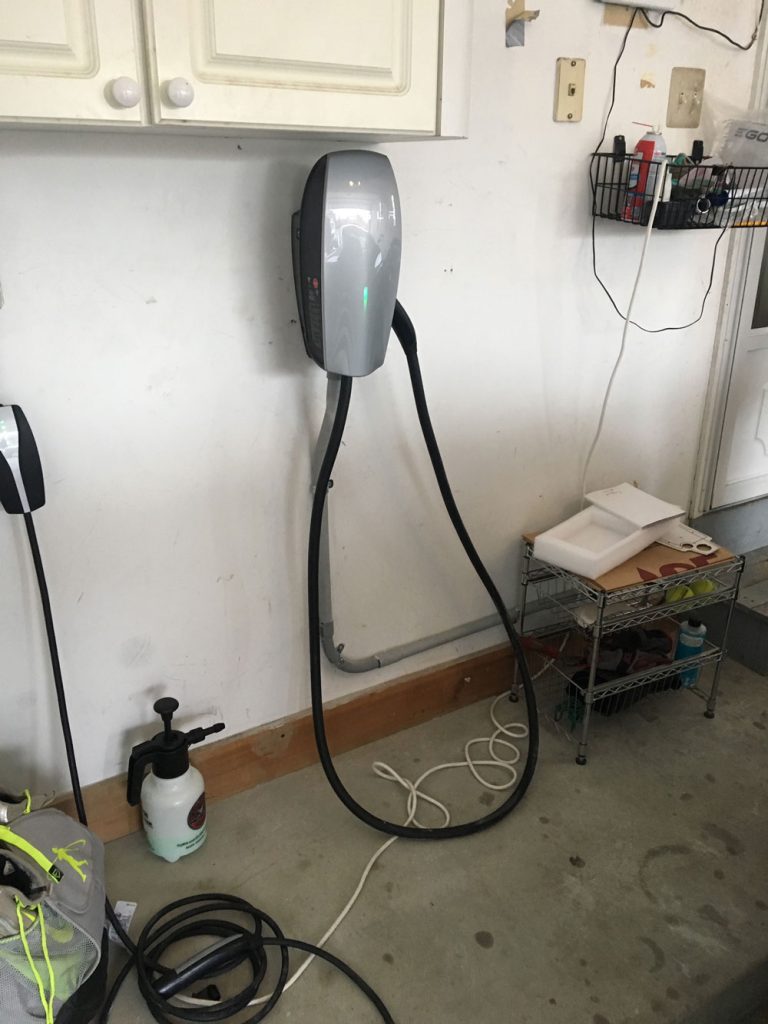
Tesla charger installation deserves the same attention to load calculation, circuit sizing, equipment location, and manufacturer guidance as any other electric vehicle charging project. Tesla owners may choose equipment designed for their vehicle connector or use compatible charging solutions, depending on the model and preferences. Planning for cable reach and the vehicle’s usual parking position can make everyday charging far easier.
A household with more than one EV should also consider how charging will be shared. In some cases, drivers can alternate charging times; in others, future electrical capacity or a second charging point may be relevant. Bringing up likely vehicle changes during the initial conversation can help shape a plan that remains useful as transportation needs change.
What to expect before, during, and after installation
A clear process starts with collecting the details that affect design and safety. Executive Electric can use information about the vehicle, desired charger, parking location, panel location, and daily driving routine to frame the conversation. Homeowners should avoid assuming that a charger can be added to any nearby outlet or that the charger label alone determines the required circuit.
- Identify your charging goal. Estimate daily miles, available charging hours, and whether faster overnight charging is important.
- Review the vehicle and charger. Note the charging equipment model, plug type or hardwire preference, and manufacturer electrical requirements.
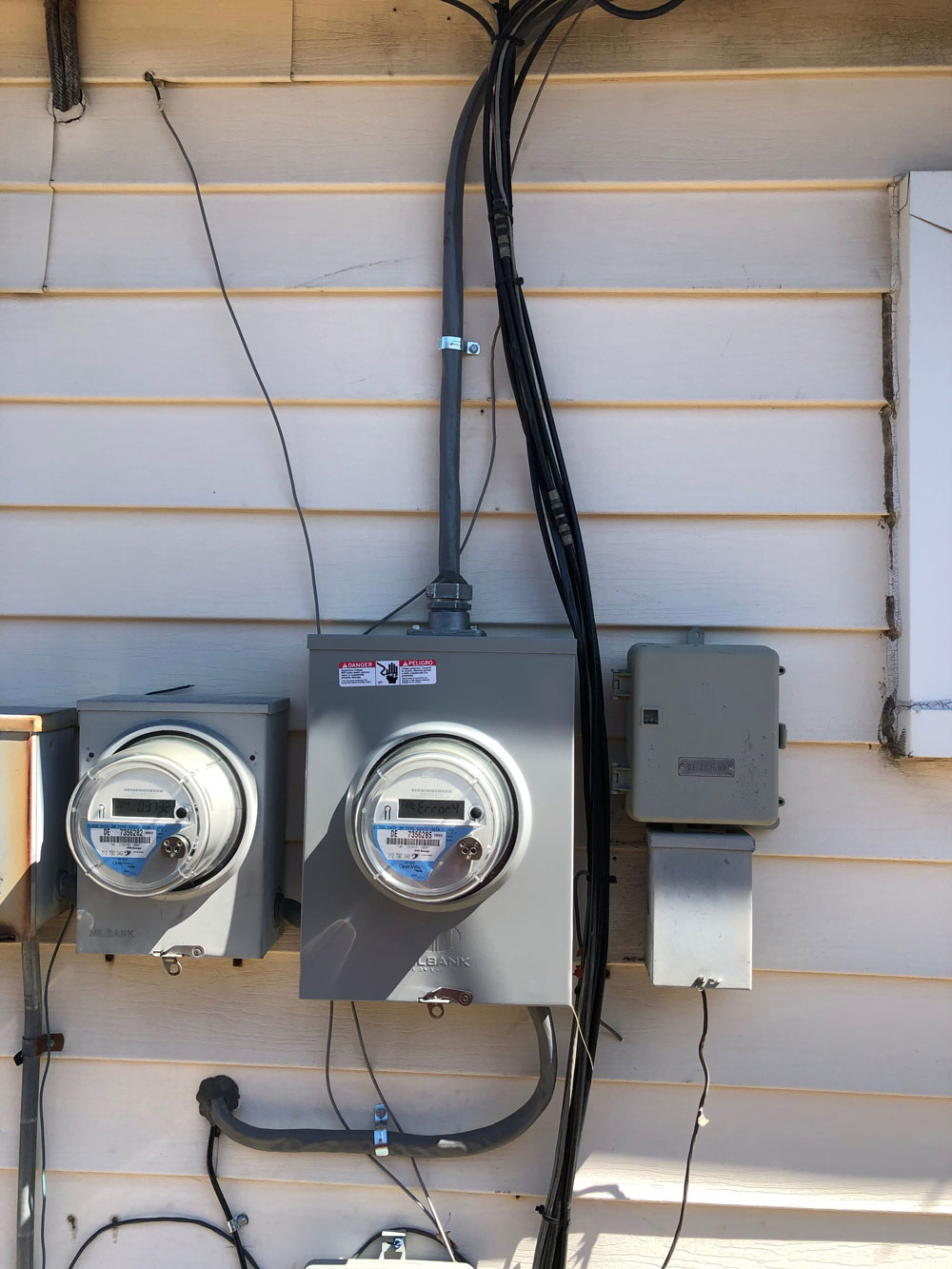
- Assess the electrical system. An evaluation may consider available panel space, service capacity, a suitable dedicated circuit, and the wire route to the parking location.
- Plan the equipment location. Consider reach, mounting surface, cable management, indoor or outdoor exposure, and access around vehicles.
- Complete installation and verify operation. Once the appropriate work is completed, homeowners can review basic charger use and follow the equipment manufacturer’s operating instructions.
The on-site portion of work can vary widely because every property is different. A panel located near the garage may present a different routing challenge than a panel on the opposite side of the home, and an exterior parking area may require different placement considerations. A direct discussion of the site is more useful than relying on a one-size-fits-all assumption.
Questions worth asking before you commit
Good decisions come from comparing the installation to how you actually use the vehicle. Ask what circuit rating the chosen equipment requires, whether the home’s electrical system has room for the added continuous load, and whether the proposed location allows the cable to reach without strain. It is also reasonable to ask what information the electrician needs from the charger manufacturer and whether any local permitting or inspection requirements may apply.
Residential EV charger installation is most effective when it is designed around the whole household instead of only the charger purchase. A homeowner may need a straightforward dedicated circuit, while another may need to evaluate electrical capacity before selecting equipment. Sharing future plans, such as a second electric vehicle or a garage renovation, gives the electrical conversation useful context.
For many drivers, a Home charging station changes EV ownership from a task that must be scheduled into a routine that happens while the car is parked. The benefit is not merely charging speed, but the ability to start with a predictable charging plan tailored to the household. Equipment location, connector compatibility, and electrical design all contribute to whether that routine feels simple day after day.
Talk with Executive Electric about your West Bloomfield Township charging plan
Executive Electric offers a contact point for homeowners considering an EV charging installation in the West Bloomfield Township, MI area. The company location provided is 20504 Hall Rd, Clinton Township, MI 48038. When you reach out, having your vehicle model, charger information if already selected, photos or details of the electrical panel, and the preferred parking location can make the conversation more productive.
Michigan drivers do not all need the same charger configuration. Some want dependable overnight charging for a daily commute, while others are preparing a garage for a new EV or looking for a safer alternative to relying on a standard outlet. Executive Electric can be contacted to discuss the practical details that affect your particular project and next steps.
Ready to plan a safer, more convenient charging setup? Contact Executive Electric to discuss your home EV charger needs and the details of your property. The company is located at 20504 Hall Rd, Clinton Township, MI 48038, and can help you begin an informed conversation about charging at home.
Home EV charging questions
Do I need a Level 2 charger for an electric vehicle at home?
No. A Level 1 charger may work for drivers with modest daily mileage and long parking periods. A Level 2 charger is often preferred when you need more energy added overnight, drive more frequently, or want greater flexibility. The appropriate option depends on your vehicle, commute, available charging time, and electrical capacity.
Can an EV charger use an existing outlet in my garage?
Sometimes, but an existing outlet should not be assumed suitable for EV charging. Charging is a sustained electrical load, and the outlet, circuit rating, wiring, condition, and charger requirements all matter. A dedicated circuit or properly designed charging outlet may be the safer and more practical solution.
What information should I provide when contacting an electrician about a charger?
Provide the vehicle make and model, charger model if selected, desired charging location, a photo or description of the electrical panel, and whether the vehicle parks indoors or outdoors. Also mention expected daily driving and any plans for another EV. These details help frame the electrical evaluation and equipment discussion.
Is Executive Electric located in West Bloomfield Township, Michigan?
Executive Electric’s supplied location is 20504 Hall Rd, Clinton Township, MI 48038. Homeowners seeking Home EV charger installation in West Bloomfield Township can contact Executive Electric about their project, electrical considerations, and the information needed to evaluate a suitable home charging arrangement.