Home EV charger installation Troy, MI
Charging an electric vehicle at home should fit your driving routine, your vehicle, and your electrical system. Executive Electric helps homeowners seeking Home EV charger installation in Troy, MI understand the practical path from an existing garage or driveway circuit to a dedicated, reliable charging setup. Executive Electric is located at 20504 Hall Rd, Clinton Township, MI 48038, and can be contacted to discuss your home charging needs.
A professionally planned charging connection can reduce dependence on public charging, simplify overnight replenishment, and make it easier to start the day with the range you need. The right approach is not identical for every household. Vehicle connector type, desired charging speed, panel capacity, parking arrangement, cable routing, and applicable local requirements all shape the scope of an installation.
Build a charging setup around how you drive
Most homeowners want a practical answer to a straightforward problem: where and how will the vehicle charge when it is parked at home? A dedicated charging circuit can support predictable daily use without treating a standard wall receptacle as the long-term solution for every vehicle and mileage pattern. Executive Electric can be a useful point of contact when you are ready to evaluate the electrical side of that decision.
For many electric vehicle owners, the main benefit is convenience. Instead of scheduling trips around a public charger, a home setup lets the vehicle replenish while it is parked for the evening or during another extended stop. Reliable overnight charging can make EV ownership feel simpler, especially for commuters, multi-driver households, and owners whose daily travel uses a meaningful portion of the battery.
- Homeowners who want a dedicated circuit instead of relying on a general-purpose outlet
- New EV owners deciding between a plug-in charging unit and a hardwired unit
- Households adding a second electric vehicle or planning for future charging demand
- Residents who need to consider a garage, carport, driveway, or other parking location
- Drivers who want a clearer understanding of charging speed, electrical load, and equipment compatibility
Why the electrical assessment comes first
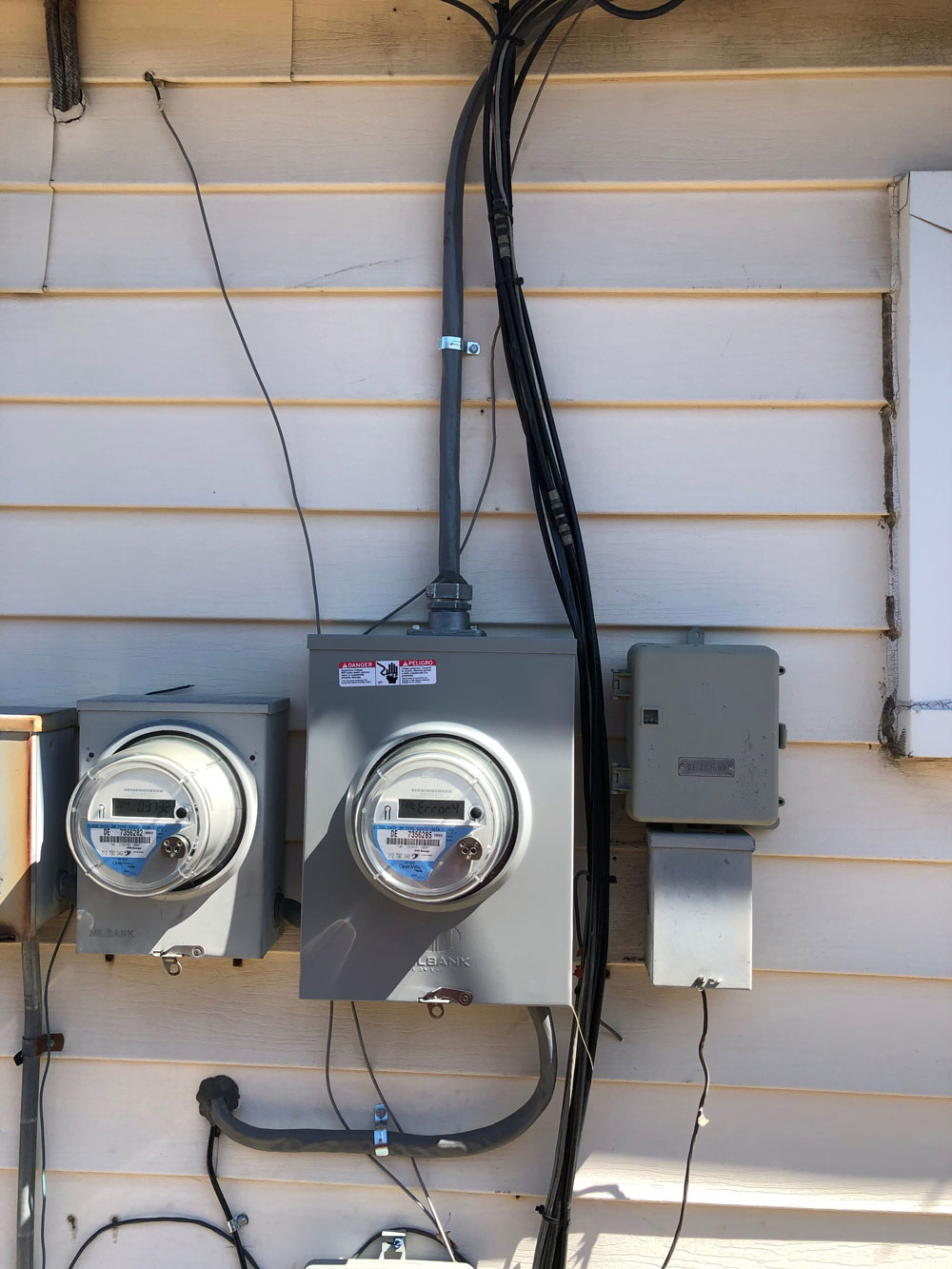
A charging unit is only one part of the project. Before installation, the electrical system needs to be considered in relation to the proposed circuit, the home’s existing loads, available panel space, wire path, disconnecting requirements where applicable, and the charger manufacturer’s instructions. This assessment helps identify whether the desired setup is straightforward or whether electrical changes may need to be discussed first.
It is also important to distinguish a charging unit’s maximum rating from the charging rate the vehicle will actually accept. A larger-rated unit does not automatically make every EV charge faster, and the appropriate circuit must be selected for the equipment and installation conditions. Asking about both present needs and likely future vehicles can help avoid an overly limited plan.
Choose the right home charging approach
Home charging equipment is often described by level, connector style, mounting method, and circuit rating. The best choice depends on your vehicle, the time it spends parked, and what your home can support safely. Comparing these options before equipment is mounted helps homeowners make a decision based on useful daily charging capacity rather than marketing labels alone.
Residential charging for everyday ownership
Residential EV charger installation is the process of adding a dedicated home charging solution for an electric vehicle, with the electrical work tailored to the property and selected equipment. It may involve evaluating the service panel, installing a new branch circuit, routing approved wiring, and connecting a hardwired unit or suitable receptacle. A residential installation should account for where the vehicle parks, how the cable will reach it without creating a hazard, and the charging demands of the household.
A Home charging station gives an EV owner a consistent place to connect the vehicle, typically where it is regularly parked. Some units are hardwired to a dedicated circuit, while others use a compatible receptacle, and each option has equipment, placement, and serviceability considerations. Selecting a station should include checking vehicle compatibility, cable length, outdoor rating when relevant, and any smart features you actually expect to use.
Level 1 and Level 2: a meaningful daily-use difference
Level 2 EV charger installation generally refers to installing equipment supplied by a 240-volt circuit, which can provide substantially more charging capability than a typical Level 1 connection. This option is often appropriate for drivers who want to replenish more range during an overnight parking period or who have higher routine mileage. The actual result depends on the vehicle’s onboard charging capability, the circuit and equipment rating, and the time available for charging.
Level 1 charging from a standard household outlet can be a reasonable temporary or low-mileage option for some drivers, but it is not always the most convenient fit. Level 2 equipment usually requires a dedicated electrical installation and thoughtful load planning. Homeowners should avoid assuming that an existing outlet, extension cord, or shared circuit is interchangeable with a properly designed EV charging circuit.
240V EV charger installation focuses specifically on the 240-volt supply commonly used for faster residential EV charging. The circuit size, conductor selection, overcurrent protection, receptacle or hardwired connection, and equipment rating must work together rather than being chosen independently. A professional evaluation helps establish what configuration is appropriate for the home and avoids treating a high-demand continuous load like an ordinary plug-in appliance.
Connector and equipment choices matter
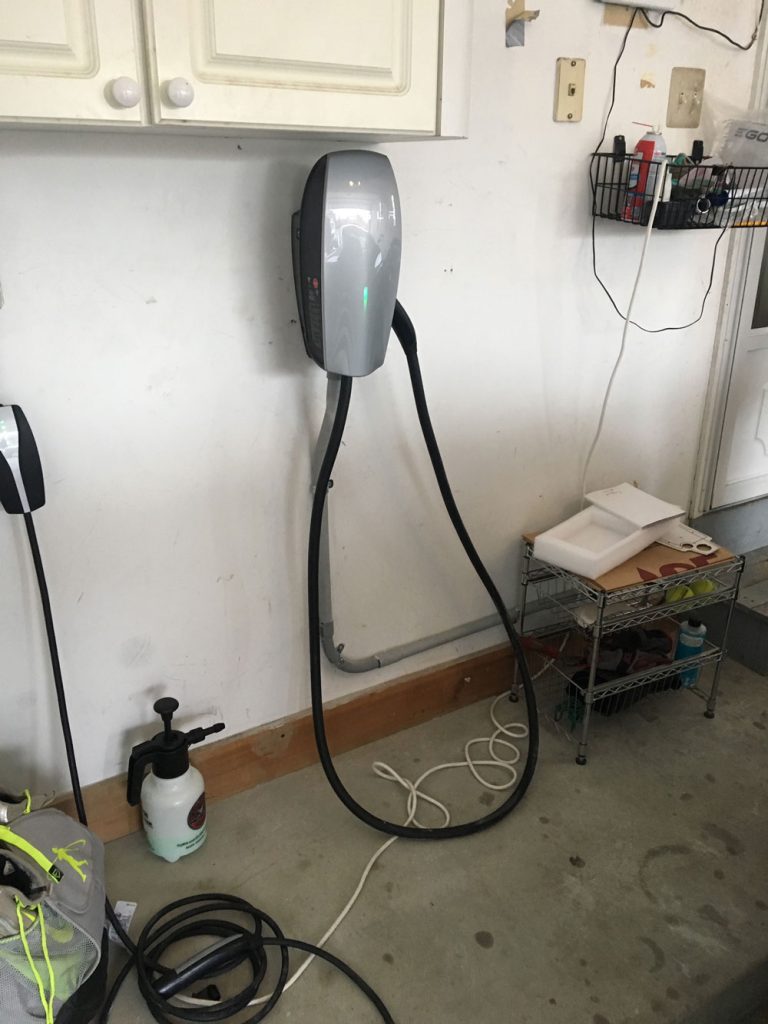
Tesla charger installation should begin with the specific Tesla charging equipment and the property’s electrical capacity, not just the brand name. Tesla owners may use a wall connector, a mobile connector, or compatible equipment with appropriate adapters, and the chosen solution affects the connection method and circuit planning. Confirming the unit’s installation instructions and the vehicle owner’s daily charging expectations helps create a setup that is convenient to use at home.
EV charging outlet installation may be suitable when a homeowner plans to use portable charging equipment or a plug-in wall unit designed for a particular receptacle. The outlet must be correctly selected, installed on an appropriate dedicated circuit, and positioned so the charging cable can be used safely and as intended. A receptacle-based setup is not automatically less involved than hardwiring, because electrical capacity, continuous-load considerations, and equipment specifications still matter.
What to expect when planning a Troy home charging project
Good preparation makes the installation conversation more productive. Before contacting Executive Electric, gather the EV make and model, the charging equipment you already own or are considering, a photo of the electrical panel if practical, and a simple description of where the vehicle is parked. These details help frame the likely questions without requiring you to know the technical answers in advance.
- Discuss your vehicle and routine. Consider average driving, overnight parking time, and whether one or more EVs may need charging.
- Review the proposed location. Think about garage walls, parking orientation, cable reach, weather exposure, and the path from the panel to the charger.
- Evaluate the electrical system. The panel, existing loads, circuit capacity, and available routing influence what installation approach may be appropriate.
- Select compatible equipment. Choose a charger or outlet approach that matches the vehicle, desired charging behavior, and manufacturer requirements.
- Complete installation and verify operation. After the electrical work is completed, follow the equipment and vehicle instructions for connection, settings, and normal use.
Permitting and inspection requirements can vary by jurisdiction and project scope in Michigan. A homeowner should ask how the applicable local process affects the planned work rather than assuming every installation follows the same path. It is also wise to keep product documentation available, since charger manufacturers may specify mounting clearances, wiring methods, circuit ratings, and other conditions that affect installation.
Questions to weigh before selecting a provider
The provider conversation should give you clarity on the electrical work, not just the charger model. Explain your parking arrangement, show the proposed installation area, and share whether you expect to add another EV later. A clear scope helps avoid surprises involving panel capacity, long wire runs, trenching, exterior locations, or equipment changes.
- Is the proposed charger hardwired, or does it use a receptacle designed for the equipment?
- What information about the vehicle and charger should be confirmed before the work is scheduled?
- How will the installer evaluate panel capacity and existing household electrical loads?
- Does the desired location create considerations for cable management, weather exposure, or physical protection?
- What local permitting or inspection steps may apply to the project?
- How can the installation accommodate a future vehicle or different charging unit if your needs change?
Executive Electric offers a direct local contact option for homeowners evaluating EV charging work. The company’s listed location is 20504 Hall Rd, Clinton Township, Michigan 48038. While this page addresses homeowners searching in Troy, MI, the location should be understood as Executive Electric’s provided business address, not as a claim of a Troy office.
Get a clearer path to at-home EV charging
Whether you are purchasing your first EV, replacing an informal charging arrangement, or planning for another electric vehicle, the next step is an informed electrical discussion. Share the vehicle details, equipment preferences, and parking setup so the conversation can focus on a charging solution that fits your home. Thoughtful planning can support safer use, dependable daily charging, and a better long-term fit for your electrical system.
Contact Executive Electric to discuss home EV charging needs from its location at 20504 Hall Rd, Clinton Township, MI 48038. For a conversation about a Troy, Michigan home charging project, contact Executive Electric and provide the details of your vehicle, charger, and proposed installation area.
Frequently asked questions
How long does Level 2 charging take at home?
Level 2 charging time depends on the vehicle’s battery size, starting charge level, onboard charger capacity, circuit and equipment rating, and available charging time. It generally adds range faster than a standard household outlet, making it useful for many drivers who park at home overnight.
Do I need a new electrical panel for an EV charger?
Not necessarily. Some homes have sufficient electrical capacity and panel space for a dedicated EV charging circuit, while others may need additional electrical work before the desired charger can be installed. An evaluation of existing loads, panel capacity, and the proposed charging equipment is the appropriate way to determine the project scope.
Should I choose a hardwired charger or a plug-in outlet?
Both approaches can be appropriate when correctly designed for the equipment and home. A hardwired unit can be a straightforward dedicated solution, while a receptacle may support certain plug-in charging equipment. The charger instructions, circuit requirements, outlet type, location, and future equipment plans should guide the decision.
Is Executive Electric located in Troy, MI?
Executive Electric’s supplied business location is 20504 Hall Rd, Clinton Township, MI 48038. This page is intended for homeowners researching charging options in Troy, MI, but it does not state that Executive Electric has a physical office in Troy.