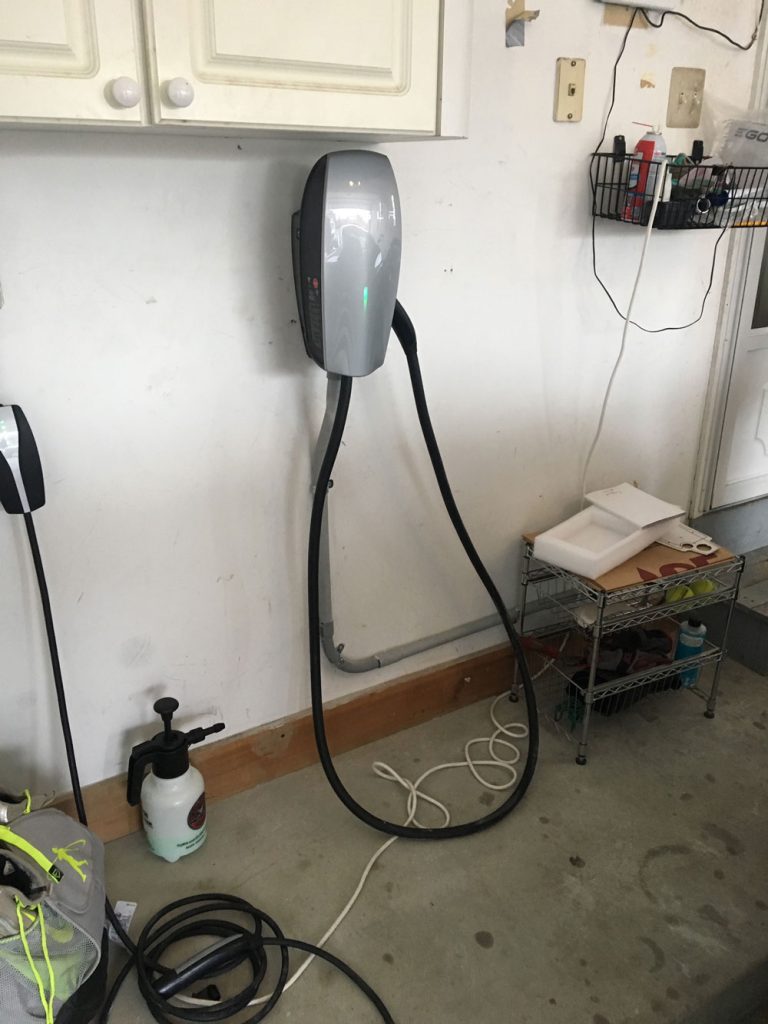
Home EV charger installation Novi, MI
Charging an electric vehicle at home is most useful when the equipment matches the vehicle, the household electrical system, and the way you drive. For homeowners researching Home EV charger installation in Novi, MI, Executive Electric provides a clear starting point for planning a dedicated, convenient charging setup. Executive Electric is located at 20504 Hall Rd, Clinton Township, MI 48038, and prospective customers can contact the company to discuss their home charging needs.
A properly planned residential charging setup can reduce reliance on public chargers and make daily charging part of your normal parking routine. The right approach is not simply choosing a charger from a box. It includes evaluating available electrical capacity, selecting a compatible connection method, considering cable placement, and arranging a safe installation path from the electrical panel to the parking area.
Start with the way your household will charge
The best home charging arrangement is the one that fits your vehicle, electrical service, parking habits, and future plans. A homeowner who drives a modest daily distance may have different needs than a household with two EVs, frequent long trips, or a garage that must accommodate several vehicles. Thinking through those details before installation helps avoid an inconvenient outlet location, an undersized circuit, or a charger that does not suit the next vehicle you buy.
- Vehicle compatibility: Confirm the charging connector, onboard charging capability, and manufacturer recommendations for your EV.
- Parking location: Consider whether the vehicle parks in a garage, driveway, carport, or another area where cable reach and equipment placement matter.
- Electrical capacity: A professional assessment can determine whether the existing panel and service can support a new dedicated load.
- Daily driving routine: Overnight charging needs, arrival times, and anticipated mileage help inform the charging speed that makes sense.
- Future flexibility: Planning for another EV or a different charger can be worthwhile when evaluating circuit and panel options.
Residential charging is more than plugging into a wall
Residential EV charger installation is the process of adding charging equipment or a dedicated charging connection to a private home in a way that accounts for the electrical system and the vehicle’s requirements. It may involve a hardwired charger, a receptacle for plug-in equipment, a new circuit, or electrical panel work when capacity needs to be addressed. The goal is a practical everyday charging solution, not a temporary workaround using an unsuitable extension cord or overloaded existing circuit.
For many Michigan households, home charging is appealing because the vehicle can replenish while it is parked for the night. That convenience is especially valuable when a driver wants a predictable morning routine rather than an extra stop during the day. Charging equipment should be located and installed with weather exposure, garage use, cable management, and access in mind.
Choosing a home charging station setup
A Home charging station can be a wall-mounted unit that is hardwired to a dedicated circuit or a portable unit that plugs into an appropriately rated receptacle. Hardwired and plug-in options each have considerations involving equipment flexibility, connection type, circuit rating, and placement. A conversation about the specific vehicle and charger model helps identify a setup that is sensible for the household rather than relying on a one-size-fits-all recommendation.
Homeowners should also consider where the charging cable will rest when it is not in use. A well-positioned station can help keep the cable clear of walkways, doors, and vehicle paths while still reaching the charge port comfortably. If exterior charging is planned, the equipment and installation approach should be appropriate for the intended environment.
Understanding charging speed, circuits, and equipment choices
Level 1 charging uses a standard household outlet and can work for some low-mileage situations, but it is usually slower than homeowners expect. Level 2 charging uses 240-volt power and is commonly selected by drivers who want a more useful overnight charging option. The correct choice depends on the EV, the available electrical infrastructure, and the amount of energy the household needs to restore between drives.
Why many drivers consider Level 2 charging
Level 2 EV charger installation typically adds a dedicated 240-volt circuit for EV charging equipment, subject to the vehicle, charger specifications, and site evaluation. It is often a practical option for drivers who want more charging capability than a standard 120-volt outlet provides. The charger and circuit should be matched correctly, because the equipment’s rating does not automatically mean every home can use the same circuit size without review.
Charging speed should be viewed as a household planning issue, not just a number on a product label. An EV’s onboard charger may limit how quickly it accepts AC power, and a larger electrical circuit does not necessarily create a benefit beyond that limit. A thoughtful evaluation can help a homeowner choose an appropriate level of capability without paying for features that do not serve the vehicle or driving routine.
What a 240-volt installation involves
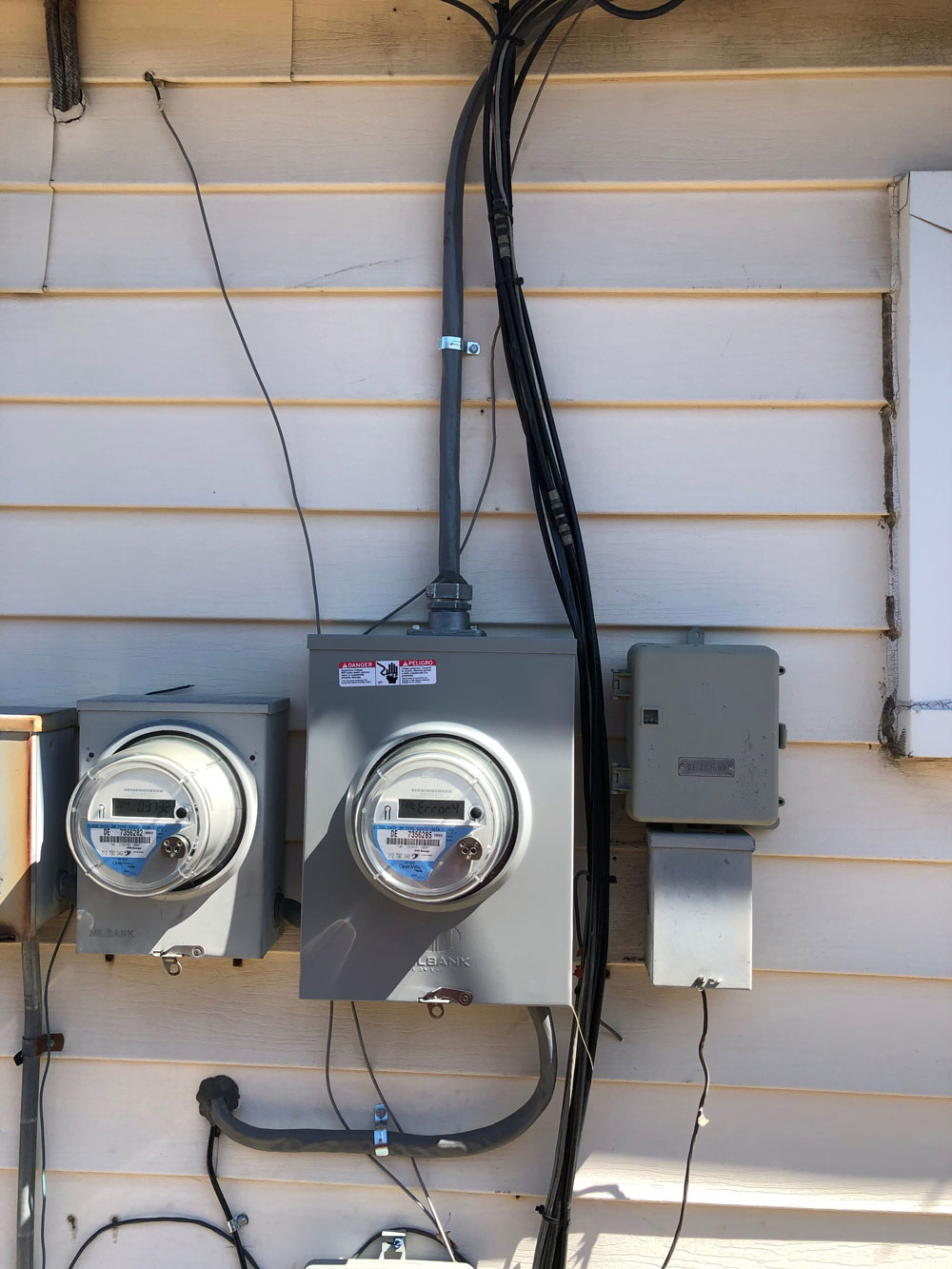
240V EV charger installation generally means creating a dedicated pathway from the electrical panel to the charger or charging receptacle. The work may require evaluating panel space, circuit capacity, wire routing, disconnecting requirements where applicable, and the final equipment location. Conditions vary considerably among homes, so an on-site assessment is the appropriate way to identify the work a particular installation may require.
Older homes, full electrical panels, long runs to a detached parking area, and simultaneous high-demand appliances can all affect the installation plan. In some situations, a panel upgrade or other electrical modification may be worth discussing before a charger is added. Executive Electric can be contacted for a project conversation rather than asking homeowners to guess about capacity based on panel labels alone.
Tesla equipment and connector considerations
Tesla charger installation should account for the selected Tesla charging equipment, the vehicle’s charging needs, and whether other EVs may use the space in the future. Some households prefer manufacturer-specific equipment, while others may choose an alternative station based on connector compatibility and how the household expects to use it. The electrical installation still needs a correctly sized dedicated circuit and a location that supports safe, convenient cable use.
It can be helpful to plan beyond the current vehicle. If a household may add a non-Tesla EV, replace a vehicle, or share a charger, connector options and future adaptability are reasonable points to raise before equipment is installed. The charger itself is only one part of the decision, and the electrical infrastructure should support the intended use.
What to expect when planning an EV charger project
A well-scoped project begins with information about the home and ends with a charging connection that is ready for normal use. Before contacting an electrician, homeowners can note the vehicle model, preferred charger, parking location, electrical panel location, and any known concerns about service capacity. Photos may also help explain the layout during an initial discussion, although the actual scope depends on a professional evaluation.
- Discuss your charging goals. Explain your vehicle, commute, desired charging location, and whether you want hardwired equipment or a receptacle.
- Review the electrical system. Determine the likely circuit route, panel capacity, available space, and any upgrades that may need consideration.
- Choose the installation approach. Align the charger, circuit, outlet or hardwire method, and placement with the home and vehicle.
- Complete the electrical work. The installation should follow applicable requirements and the selected equipment instructions.
- Prepare for everyday use. Confirm how the cable reaches the vehicle, how the station is operated, and how to avoid strain or obstructions around the charging area.
When an outlet is the right solution
EV charging outlet installation can be a suitable choice for homeowners using a plug-in EV charging unit rather than a permanently hardwired station. The receptacle type, circuit, and equipment rating need to be compatible, and the outlet should be dedicated to the charging use rather than shared with other loads. This approach can provide equipment flexibility, but it should not be confused with using a standard outlet without evaluating whether that outlet and circuit are appropriate for sustained EV charging.
Hardwired equipment can reduce reliance on a plug-and-receptacle connection, while a receptacle may make it easier to change compatible plug-in equipment later. Neither format is automatically better for every property. The useful decision is the one that reflects the charger instructions, the electrical design, the household’s needs, and the expected location of the vehicle.
Questions to consider before selecting an installer
Choosing a provider for a home electrical project should involve more than comparing a charger’s purchase price. Ask how the existing electrical panel will be evaluated, whether the selected equipment and circuit will be reviewed together, and what site factors may change the scope. Clear communication matters because a home EV charging project may have options, from a straightforward nearby panel connection to a more involved route or capacity improvement.
- Will the vehicle, charger model, and preferred charging location be discussed before the scope is defined?
- Is a dedicated circuit required for the selected equipment, and what electrical capacity considerations apply?
- Would a hardwired unit or a charging receptacle better fit the equipment and future plans?
- Are there placement concerns involving cable reach, doors, vehicle movement, or outdoor exposure?
- What information should be available before an on-site review or project estimate?
Executive Electric offers a direct point of contact for Novi, MI homeowners who want to discuss these practical questions before moving forward. The company location provided is 20504 Hall Rd, Clinton Township, MI 48038, so the page does not represent an office location in Novi. Contacting Executive Electric is a practical next step for clarifying the home’s electrical needs and the kind of charging arrangement under consideration.
Common questions about home EV charging
How long does a home EV charger installation usually take?
Installation time depends on the home’s electrical panel, the distance to the parking location, the charger type, and whether electrical upgrades are needed. A nearby panel with adequate capacity may have a simpler scope than a project requiring a long wire run, panel changes, or outdoor routing. An assessment is the reliable way to determine the expected work.
Do I need a Level 2 charger at home?
Not every EV owner needs Level 2 charging. A standard outlet may meet the needs of a driver with limited daily mileage and ample parking time. However, a 240-volt setup is often considered when a household wants faster overnight replenishment, drives more often, or wants greater flexibility for changing routines.
Can I use my existing dryer outlet for EV charging?
Using an existing appliance outlet is not automatically appropriate for EV charging. Circuit sharing, receptacle condition, equipment ratings, and the sustained nature of EV charging all matter. A dedicated charging circuit is commonly considered because it is designed around the selected charger and avoids conflicts with other household equipment.
Is Executive Electric located in Novi, Michigan?
Executive Electric’s supplied location is 20504 Hall Rd, Clinton Township, MI 48038. Homeowners seeking home EV charger installation in Novi, MI can contact Executive Electric to discuss their project and determine the appropriate next steps for their property.
Ready to make at-home charging easier to plan? Contact Executive Electric to discuss your EV, your parking setup, and the electrical considerations for a home charging project. Executive Electric is located at 20504 Hall Rd, Clinton Township, MI 48038, and can help you begin a focused conversation about your Michigan home charging needs.