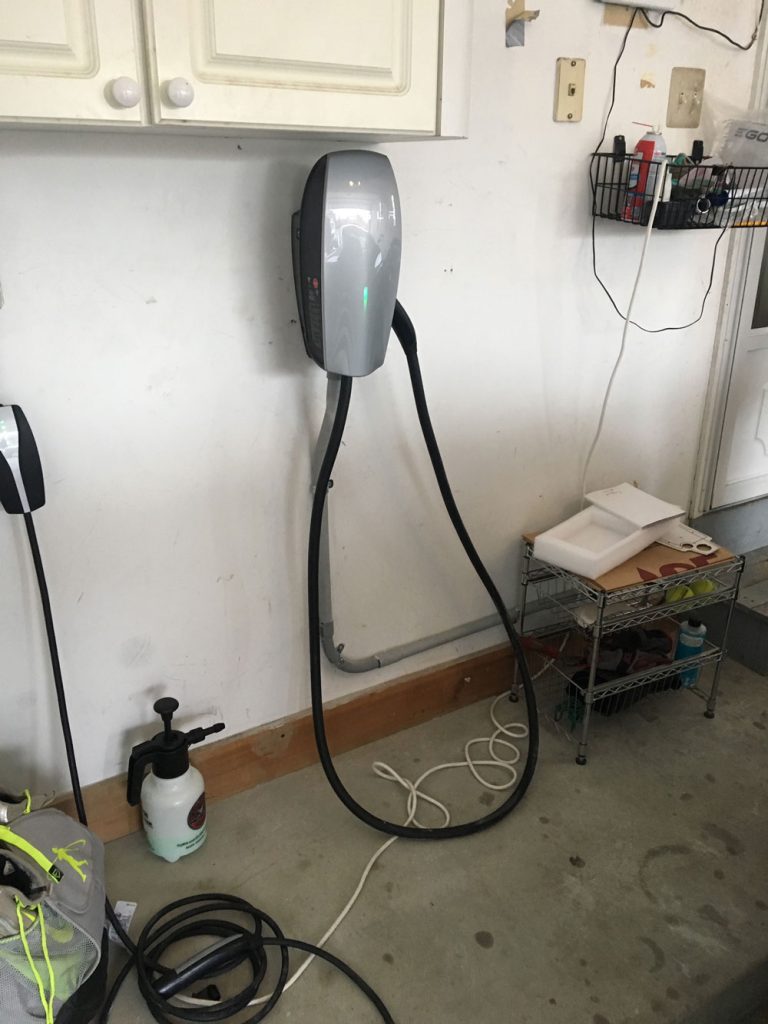
Home EV charger installation Metro Detroit, MI
Charging an electric vehicle at home should fit the way you drive, the vehicle you own, and the electrical capacity of your house. For homeowners considering Home EV charger installation in Metro Detroit, MI, Executive Electric can be the starting point for a practical conversation about charging equipment, circuit requirements, outlet options, and installation planning. The company lists its location at 20504 Hall Rd, Clinton Township, MI 48038, while this page is intended to help Metro Detroit-area drivers understand the home-charging decision.
A professionally planned charging setup can replace routine public-charging stops with a more predictable overnight routine. It can also help a household prepare for a new EV, a second electric vehicle, or a change in daily mileage. The right solution is not automatically the highest-powered charger. It is the setup that works safely with the home, vehicle, and charging expectations.
Make home charging part of your daily routine
Home charging gives many EV owners a simple advantage: the vehicle can recharge while it is parked. Instead of treating charging as a separate errand, drivers can plug in after arriving home and begin the next day with useful range. The convenience comes from matching the electrical installation to real driving needs, rather than selecting equipment based on a label alone.
- Drivers who commute regularly and want dependable overnight replenishment
- New EV owners replacing occasional public charging with at-home charging
- Households with more than one vehicle or plans to add another EV
- Homeowners who want a dedicated, appropriately located charging circuit
- People evaluating a garage, driveway, carport, or other parking arrangement
A home EV charger is usually installed where the vehicle parks most often, but placement deserves careful thought. Cable reach, door clearance, weather exposure, parking habits, and the distance to the electrical panel can affect the final plan. Considering these details early can help avoid a charger location that is technically possible but inconvenient every day.
Residential charging begins with the home, not just the vehicle
Residential EV charger installation involves more than mounting a unit on a wall. The electrical system must be evaluated for a dedicated circuit, suitable capacity, and a route from the panel to the proposed charging location. A thoughtful residential plan also accounts for whether the homeowner expects to remain with the same EV or may need flexibility for a future vehicle.
Older and newer homes can each present different considerations. Panel space, existing electrical loads, the length of the wire run, and the condition of electrical equipment may influence what is appropriate. When capacity or configuration needs attention, discussing it before selecting equipment helps create a clearer scope instead of discovering limitations after a charger has been purchased.
Choose a home charging station for everyday usability
A Home charging station is the equipment that delivers electricity to the vehicle through a dedicated connection. Some homeowners prefer a hardwired unit, while others consider a plug-in arrangement that uses a compatible receptacle. The best fit depends on the charger model, vehicle connector, desired charging speed, installation location, and the electrical design of the home.
Features can influence the ownership experience, but they should be considered after the electrical fundamentals. Cable length, controls, scheduling functions, outdoor suitability, and connector compatibility may all matter. A homeowner should also think about where the cable rests when not in use and whether the charging location will remain accessible as parking needs change.
Understand Level 1, Level 2, and electrical capacity
Not every EV owner needs the same charging speed. Level 1 charging commonly uses a standard household receptacle and can be suitable for limited daily driving, though it replenishes range more slowly. Level 2 charging uses 240-volt power and is often chosen by drivers who want more substantial overnight charging, but it requires an appropriately designed electrical installation.
Level 2 EV charger installation is often appropriate when a household wants faster charging than a standard 120-volt connection can provide. It generally includes a dedicated 240-volt circuit sized for the charging equipment and electrical conditions, rather than simply using an existing general-purpose outlet. The vehicle’s onboard charging capability and the selected charger both affect the practical charging rate.
It is useful to avoid assuming that more amperage is always better. A charger’s maximum output, the circuit size, the vehicle’s acceptance rate, and available household electrical capacity work together. An installation conversation should focus on expected miles driven, available charging time, and future needs, so the selected arrangement is useful without overlooking the home’s limitations.
Why a 240-volt circuit requires careful planning
240V EV charger installation typically means adding a dedicated circuit from the electrical panel to the charging location. That work may involve assessing breaker capacity, conductor routing, disconnect or protection requirements where applicable, and the physical path through finished or unfinished areas. The goal is a charging connection designed for the load, rather than an improvised extension of an existing household circuit.
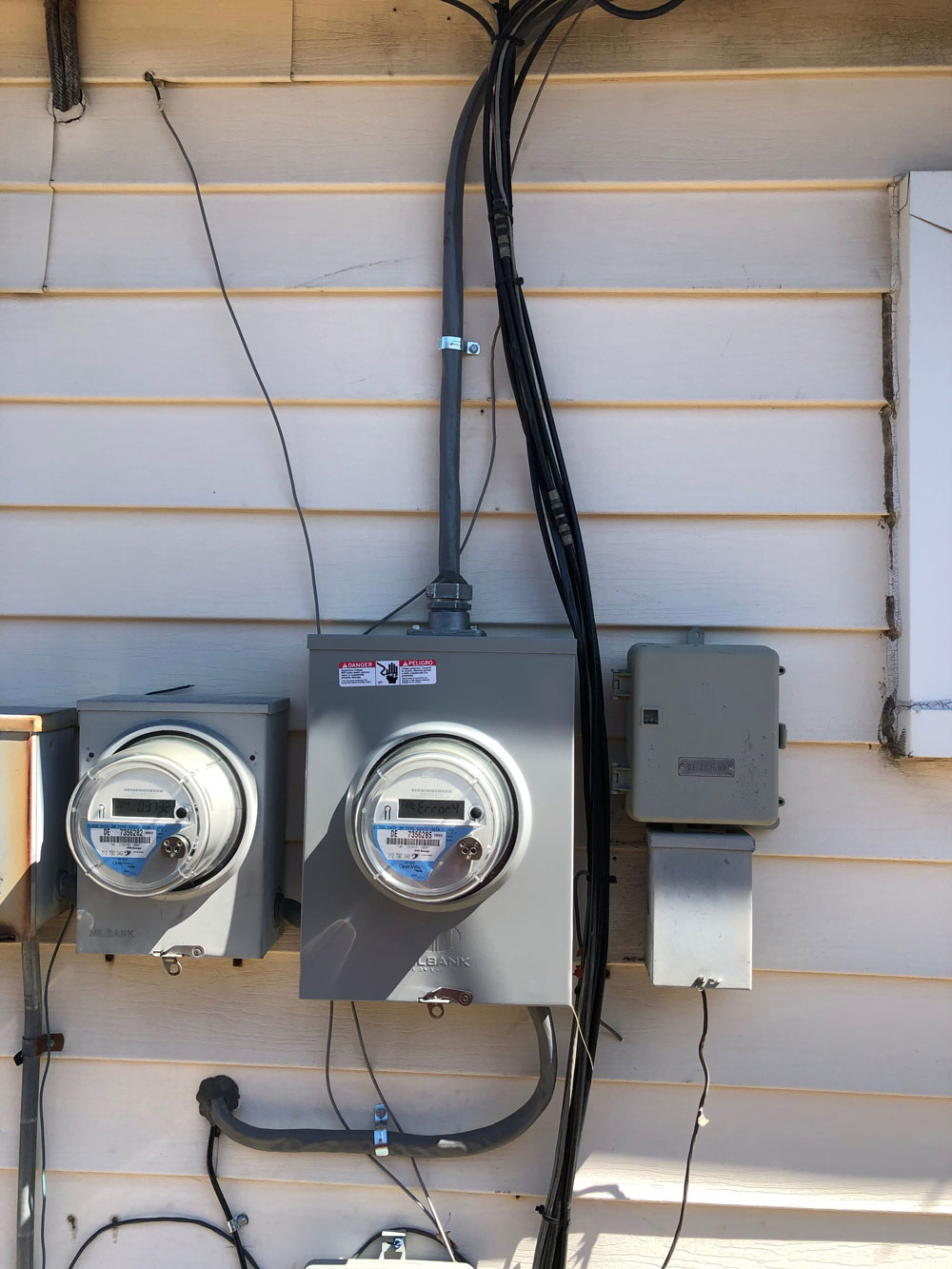
Electrical-panel capacity is a common concern for EV buyers, and it should be evaluated rather than guessed. A home may have room for a new circuit but still require consideration of the overall electrical load. If an upgrade or a different charging approach is needed, learning that before installation supports better budgeting and equipment decisions.
Compare hardwired chargers, plug-in units, and charging outlets
Homeowners commonly choose between a hardwired charger and a plug-in charger connected to a properly installed receptacle. Hardwiring can create a fixed, dedicated connection for a specific charging unit. A receptacle-based option may offer equipment flexibility, but it still needs the right outlet type, circuit design, and location for EV charging use.
EV charging outlet installation provides the electrical connection needed for certain plug-in EV charging equipment. The outlet should not be treated like an ordinary convenience receptacle because EV charging can represent a sustained electrical load. Selecting the correct receptacle configuration and having it installed on a dedicated circuit helps support a safer, more dependable charging arrangement.
- Hardwired charger: A permanent connection that may be a strong fit for a fixed garage or driveway charging location.
- Plug-in charger: A charging unit that connects to a compatible, dedicated EV outlet and may be easier to replace or take along later.
- Standard 120-volt charging: A slower alternative that can suit lower-mileage driving when a Level 2 setup is not necessary.
- Public charging: A useful supplement for travel or occasional needs, but not always the most convenient primary routine.
The choice should reflect daily use, not just the vehicle purchase. For example, a driver with modest daily mileage may prioritize simplicity, while a household with a long commute or multiple EVs may value a higher-capacity Level 2 arrangement. Asking about the proposed circuit, charger location, connector compatibility, and future vehicle plans can make the comparison more concrete.
Tesla charging options deserve a compatibility check
Tesla charger installation should begin with confirming the specific charging equipment, connector arrangement, and desired location. Tesla owners may use dedicated Tesla equipment or other compatible charging solutions, depending on the vehicle and equipment selected. Planning the circuit and mounting location around the actual unit helps ensure the cable can reach the charge port without creating an awkward daily setup.
Compatibility also matters for households that may own different EV brands over time. Adapters and connector standards can affect equipment choices, while a properly planned electrical circuit can preserve options for a later charger change. Before buying a unit, it is sensible to review the manufacturer’s installation requirements and discuss the intended equipment with the electrical professional.
What to expect when planning an installation
A clear installation process starts with gathering practical information about the vehicle, charger, parking location, and electrical panel. This preparation helps identify questions before work begins and helps the homeowner understand why one installation may be more involved than another. Executive Electric can be contacted to discuss the details of a proposed home charging project.
- Identify the charging goal. Consider daily mileage, overnight charging time, and whether faster Level 2 charging is desired.
- Select or identify the equipment. Note the charger model, plug type or hardwired design, electrical rating, and manufacturer instructions.
- Review the parking and panel locations. Think about cable reach, mounting surface, wire route, and the home’s available electrical capacity.
- Discuss the installation scope. Ask about the dedicated circuit, outlet or hardwired connection, panel considerations, and any applicable permitting or inspection steps.
- Use the system intentionally after installation. Follow equipment instructions, keep connectors and cables in good condition, and avoid using extension cords for EV charging unless specifically permitted by the equipment manufacturer.
Provider selection should be based on clear communication and a willingness to address the actual electrical scope. A homeowner should expect to discuss the charger’s electrical requirements, the condition and capacity of the panel, and the physical installation route. Vague assumptions about existing outlets or available power can lead to an inconvenient or unsuitable result.
Michigan weather and parking conditions can also shape the plan. A garage installation may have different mounting and cable-management considerations than an outdoor parking area. Discussing exposure to the elements, snow clearance, driveway movement, and the charger’s rated use location helps keep the design grounded in how the home is actually used.
Questions homeowners often ask before moving forward
Do I need Level 2 charging at home?
Not always. Level 2 charging is often useful for drivers who want faster overnight replenishment, drive more miles each day, or expect multiple EVs in the household. Standard 120-volt charging may be enough for lower daily mileage, provided the vehicle has sufficient time to recharge between trips.
Can an EV charger use my existing dryer or range outlet?
It should not be assumed that an existing appliance outlet is suitable for EV charging. Outlet type, circuit rating, wiring condition, location, and the sustained load of charging all matter. A dedicated circuit designed for the selected charging equipment is generally the clearer approach for a permanent home setup.
Will my electrical panel support a home charger?
The answer depends on the panel’s capacity, available breaker space, existing household loads, and the charger’s electrical requirements. An electrical review can determine whether a dedicated circuit can be added as planned or whether changes should be considered before installing the charging equipment.
Is Executive Electric located in Metro Detroit, MI?
Executive Electric lists its location at 20504 Hall Rd, Clinton Township, MI 48038. Homeowners seeking information about home EV charging in the Metro Detroit area can contact Executive Electric to discuss their property, vehicle, charging equipment, and project questions.
Start with a charging plan built around your home
A home EV charging project is easier to evaluate when the conversation starts with your real routine: where you park, how far you drive, how long the vehicle sits, and what equipment you intend to use. That approach can help distinguish between a basic charging need and a more robust Level 2 installation. It also gives you a practical basis for comparing equipment and installation options.
Contact Executive Electric through the contact page to discuss home charging needs for Metro Detroit, MI. Share the charger model if you have one, your preferred parking location, and any questions about panel capacity or a dedicated circuit. Executive Electric is located at 20504 Hall Rd, Clinton Township, MI 48038 and can help begin a clear conversation about your Michigan home EV charging project.