Home EV charger installation Grosse Pointe Woods, MI
Charging an electric vehicle at home is most useful when the equipment, circuit capacity, and daily driving routine are considered together. For homeowners researching Home EV charger installation in Grosse Pointe Woods, MI, Executive Electric provides a clear starting point for planning a dedicated, practical charging setup. Executive Electric is located at 20504 Hall Rd, Clinton Township, MI 48038, and homeowners can contact the company to discuss their residential electrical needs.
A professionally planned home charging arrangement can reduce reliance on public stations and make it easier to begin each day with useful battery range. The right approach depends on the vehicle, the desired charging speed, the location of the parking space, and the electrical system already serving the home. A site-specific evaluation is important because EV charging is a sustained electrical load, not simply another appliance plugged into an available outlet.
Build a charging setup around how you actually drive
Home EV charger installation is a good fit for drivers who park at home for extended periods, especially overnight, and want a repeatable way to recharge. Rather than choosing equipment based only on its advertised speed, a homeowner should consider daily mileage, battery size, arrival time, departure time, and whether another EV may be added later. This practical planning helps identify a charging solution that supports normal routines without overspending on capacity that is unlikely to be used.
- Commuters who want to replenish routine daily driving while the vehicle is parked.
- Multi-vehicle households that need to coordinate charging times and available electrical capacity.
- New EV owners who want a dedicated charging location instead of depending on a standard receptacle.
- Homeowners planning a garage, driveway, carport, or detached-building charging location.
Level 1 and Level 2 charging solve different problems
Standard 120-volt charging can be useful for low daily mileage or occasional supplemental charging, but it generally adds range more slowly than a dedicated higher-voltage circuit. Level 2 equipment typically uses 240 volts and is often chosen by drivers who need more energy returned during an overnight stop at home. The best choice is not automatically the fastest unit available, because the home’s service capacity and the vehicle’s onboard charging capability also affect the final result.
Residential EV charger installation focuses on making a home charging arrangement appropriate for the building and the people who use it. That includes identifying a suitable equipment location, considering the path for wiring, and reviewing whether a dedicated circuit is needed. A residential plan should also account for future access, such as whether the charging cable will comfortably reach the vehicle’s charge port without creating an obstacle.
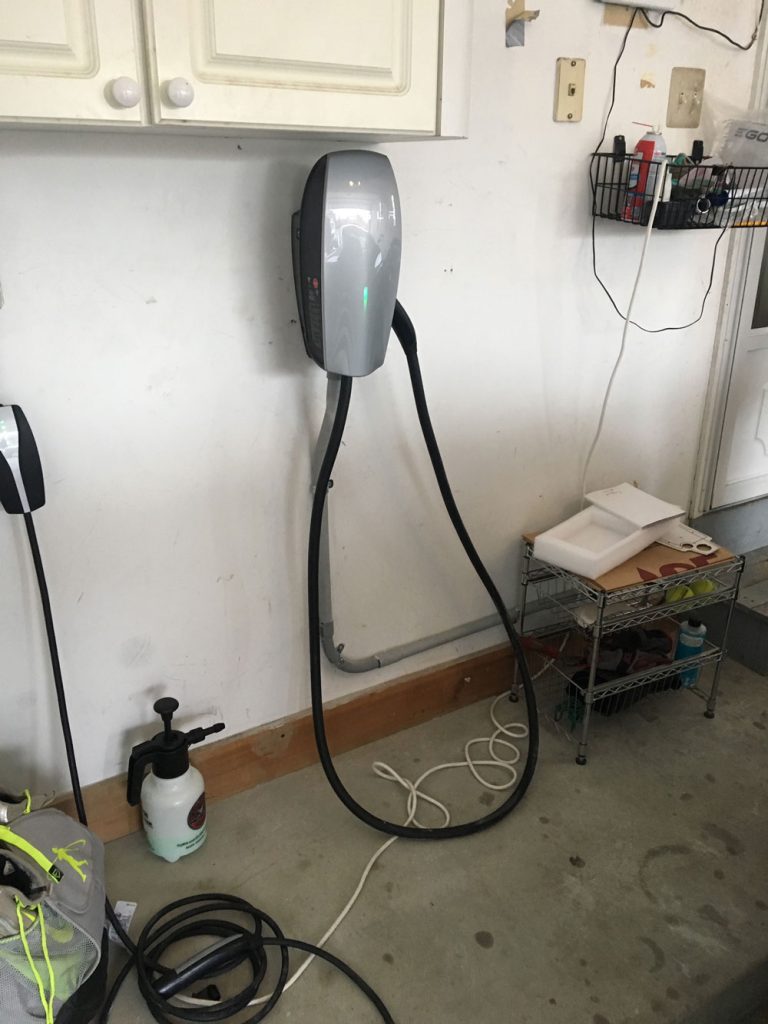
A Home charging station can be hardwired or paired with a compatible receptacle, depending on the equipment and electrical plan. Placement matters because the station should be accessible for everyday use while helping protect the cord from strain, damage, or unnecessary exposure. Homeowners can also consider features such as scheduling, connectivity, load-management options, and cable length, but these features should complement a sound electrical installation rather than replace one.
What a thoughtful installation process should address
A home charger project should begin with information gathering, then move to an electrical assessment and installation plan. This process helps avoid assumptions about spare panel capacity, panel condition, circuit routing, or equipment compatibility. For a Grosse Pointe Woods, Michigan homeowner, the value of planning is straightforward: the installation can be tailored to the property instead of treating every garage or driveway as the same.
- Review charging needs: Consider the EV model, normal driving pattern, desired recharge window, and future household needs.
- Assess the electrical system: Review the service panel, available capacity, proposed circuit, and practical wiring route.
- Select equipment and placement: Choose compatible charging equipment and a location that supports safe, convenient daily use.
- Complete installation requirements: Install the appropriate circuit, protective devices, wiring, outlet or hardwired equipment as applicable, and any required local approvals.
- Verify operation: Confirm that the charging equipment and vehicle connection function as intended, then understand the basics of ongoing use.
Electrical capacity is a central decision, not a detail
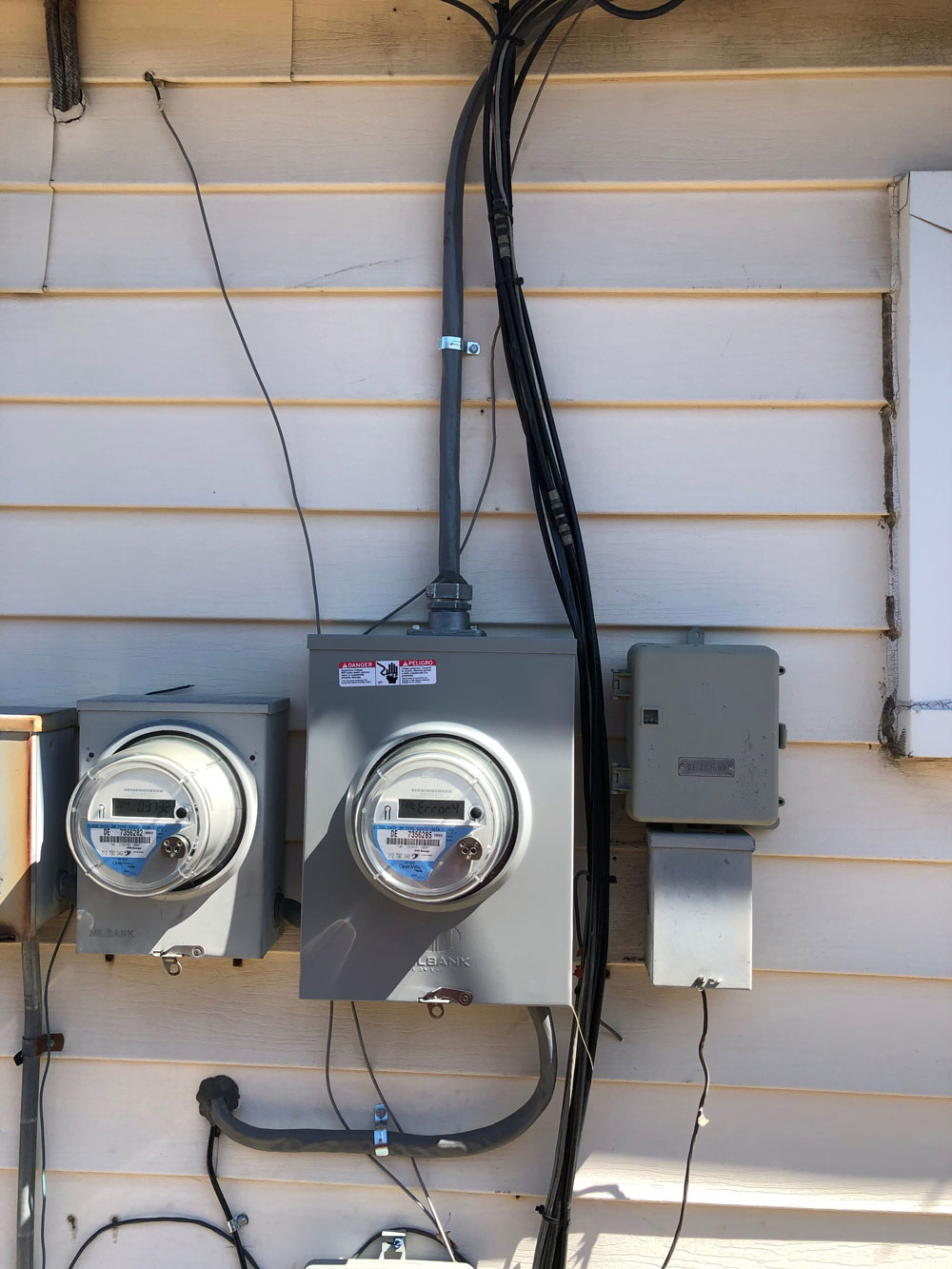
An EV charger can draw power for several hours, which is why the existing electrical service and panel capacity need careful consideration. Some homes may have room for an additional dedicated circuit, while others may require a different charging rate, electrical upgrades, or a load-management approach. An electrician can evaluate the specific conditions rather than relying on the breaker size alone as proof that a charger can be added.
Level 2 EV charger installation is commonly considered when a homeowner wants faster charging than a standard household outlet can provide. The installation normally involves a properly sized dedicated circuit and compatible equipment, with the final configuration based on the electrical assessment and manufacturer requirements. Level 2 charging can be especially practical for households with longer daily drives, larger battery packs, or limited time between trips.
240V EV charger installation refers to establishing the higher-voltage circuit many residential Level 2 chargers use. Circuit ampacity, conductor sizing, overcurrent protection, equipment rating, and panel capacity all need to work together. A 240-volt circuit is not a one-size-fits-all upgrade, so selecting charging output should follow the electrical review rather than precede it.
Equipment compatibility and parking layout affect convenience
Vehicle connectors, charging equipment instructions, cable reach, and parking orientation all influence the best charger location. A garage installation may have different routing and mounting considerations than a driveway or detached structure. Thinking through where the vehicle will be parked in normal use can prevent an otherwise functional charger from becoming inconvenient every day.
Tesla charger installation should account for the Tesla model, the selected charging equipment, and the intended charging location. Tesla owners may choose manufacturer-specific equipment or another compatible approach, but the electrical circuit still needs to be designed for the equipment’s requirements. Discussing the vehicle and charger model before installation helps avoid mismatches involving plug type, charging output, or mounting needs.
EV charging outlet installation may be appropriate when compatible plug-in charging equipment is part of the homeowner’s plan. The receptacle, circuit, and protective components should be selected and installed for the expected load and the manufacturer’s instructions, rather than treating an EV as an occasional-use tool. In some cases, hardwiring may be preferred for the selected charger, so the equipment choice and electrical design should be evaluated together.
Compare charging options before committing
Choosing between a standard outlet, a plug-in Level 2 unit, and a hardwired charger involves tradeoffs in speed, flexibility, equipment features, and electrical work. A lower-output setup may be adequate for an EV that is parked for long periods and driven modestly, while a household with multiple drivers may value quicker recovery between trips. The appropriate answer is based on the charging window available at the home, not on a blanket recommendation.
- Standard 120-volt charging: Often the slowest option, potentially suitable for light daily use or backup charging.
- Plug-in 240-volt charging: Can offer Level 2 capability when paired with an appropriate dedicated outlet and compatible equipment.
- Hardwired Level 2 charging: Can be a practical choice for a permanent charging location and selected higher-output equipment.
- Future-focused planning: May include considering a second EV, service capacity, or an installation location that remains useful if vehicle needs change.
Homeowners should also avoid assuming that a charger will always operate at its maximum labeled rate. The EV, charger settings, circuit rating, electrical infrastructure, and utility conditions can all influence actual charging behavior. Clear expectations about these factors help a household choose a system that delivers useful charging without unnecessary complexity.
Why clear communication matters for Michigan homeowners
Executive Electric can be a relevant contact for homeowners who want to discuss the electrical side of a home EV charging project before making final equipment decisions. Useful conversations include the vehicle being charged, the preferred parking location, the current electrical panel, desired timing, and whether the homeowner expects future charging needs. This preparation makes it easier to turn a general interest in EV ownership into a more defined installation plan.
For Michigan homes, seasonal conditions and everyday parking habits can affect where charging equipment is most convenient. A protected garage location may work well for one household, while another may need to evaluate outdoor-rated equipment and a route that does not interfere with walkways or vehicle access. The goal is a charging arrangement that fits normal use, including winter routines, rather than a setup that only looks good on paper.
Questions homeowners often ask
How long does a home EV charger installation take?
The timeline depends on the existing electrical system, panel capacity, circuit route, charger type, equipment availability, and any applicable permitting or inspection requirements. A straightforward installation may involve fewer steps than a project requiring panel work, a long wiring route, or changes to accommodate the desired charging output.
Do I need a Level 2 charger for an electric vehicle?
Not every driver needs Level 2 charging. A Level 2 charger is often helpful when a household wants substantially faster home replenishment than 120-volt charging provides, has regular daily mileage, or needs to recharge during a shorter overnight window. Your driving pattern and electrical assessment should guide the decision.
Can an existing electrical panel support EV charging?
It may, but capacity cannot be confirmed simply by looking for an empty breaker space. The electrical service, panel rating, existing loads, proposed charger output, and dedicated circuit requirements should be reviewed to determine whether the planned charging equipment is appropriate for the home.
Should I buy the charger before contacting an electrician?
Homeowners can research charger models first, but it is helpful to discuss electrical capacity, circuit needs, and placement before finalizing equipment. That conversation can help ensure the selected charger, plug or hardwired configuration, and desired charging rate align with the property’s electrical conditions.
Take the next step toward reliable at-home charging
A well-considered charging installation can make EV ownership simpler by bringing routine charging to the place your vehicle already spends time. Executive Electric is located at 20504 Hall Rd, Clinton Township, MI 48038, not in Grosse Pointe Woods, and can be contacted to discuss Home EV charger installation needs for your property. Share your vehicle type, preferred charger location, and charging goals so the conversation can begin with the details that matter.
Ready to plan a more convenient home charging routine? Contact Executive Electric to discuss your project and next steps from its Clinton Township, Michigan location at 20504 Hall Rd, Clinton Township, MI 48038.