Home EV charger installation Grosse Pointe Park, MI
Charging an electric vehicle at home should fit your driving routine, your vehicle, and your electrical system. For homeowners seeking Home EV charger installation in Grosse Pointe Park, MI, Executive Electric can help turn a standard parking space into a more practical daily charging setup. The company is located at 20504 Hall Rd, Clinton Township, MI 48038, and serves customers who want clear guidance before making an electrical upgrade.
A properly planned home charging solution can reduce dependence on public chargers and make overnight replenishment more convenient. The right approach is not always the biggest charger or the fastest advertised option. It starts with evaluating the vehicle, charger equipment, parking arrangement, circuit capacity, and the condition of the existing electrical panel.
Make everyday EV charging simpler at home
Home EV charging gives drivers a predictable place to plug in after work, errands, or a longer trip. Instead of scheduling charging stops around public equipment, many owners can begin each day with the battery charged to the level they need. That convenience is especially valuable for households with regular commutes, multiple drivers, or limited time for off-site charging.
Residential EV charger installation is an electrical project that connects approved charging equipment or a compatible receptacle to a properly designed dedicated circuit. It involves more than mounting a device on a wall, since wire sizing, overcurrent protection, load considerations, equipment instructions, and placement all affect the final installation. A professional assessment helps identify what the home can support and what upgrades may be appropriate.
Choose charging speed based on how you drive
A standard household outlet may be suitable for some drivers with low daily mileage and ample time between trips, but it charges slowly. A 240-volt setup commonly provides more useful overnight charging capability, making it a practical choice for many battery-electric vehicles and plug-in hybrids. The vehicle’s onboard charger, the charging equipment rating, and the available electrical capacity all influence the actual charging rate.
- Level 1 charging: Typically uses a standard 120-volt outlet and is often best for modest daily energy needs.
- Level 2 charging: Uses 240 volts and is commonly selected for quicker, more flexible overnight charging.
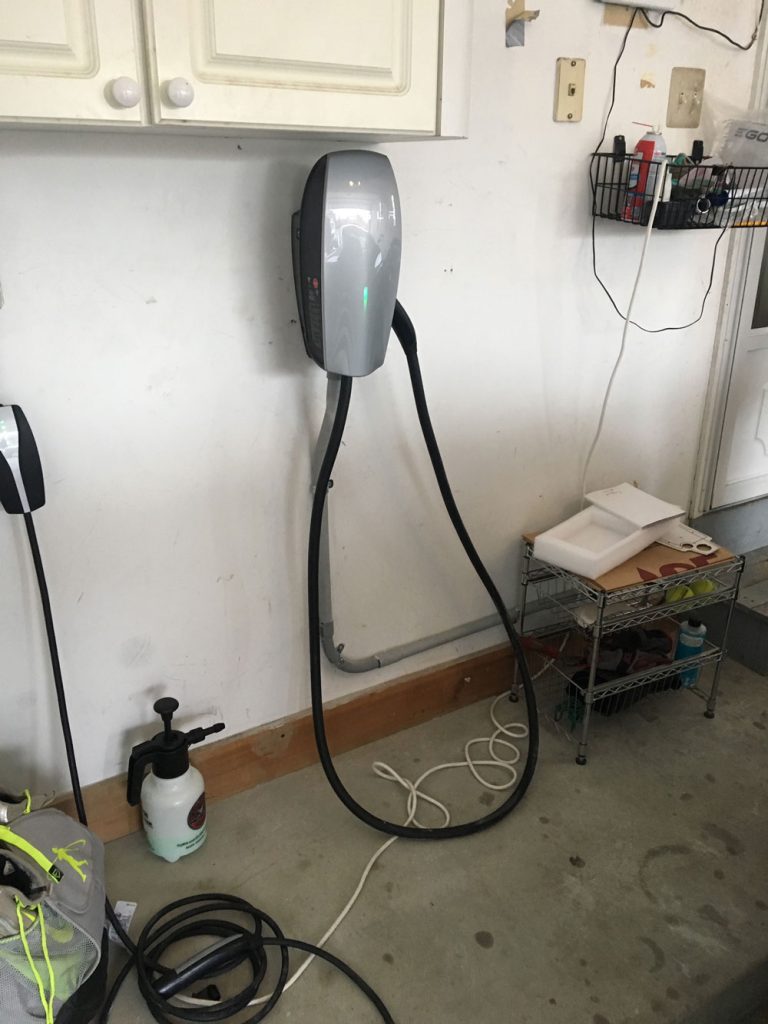
- Hardwired equipment: Is directly connected to a dedicated circuit and can be a good fit where a permanent wall-mounted charger is preferred.
- Receptacle-based charging: Uses a suitable outlet for a compatible plug-in charging unit, subject to proper circuit design and equipment requirements.
A Level 2 EV charger installation can be a sensible option when a household wants faster charging than a 120-volt outlet can generally provide. It usually requires a dedicated 240-volt circuit, and the selected charger should match the vehicle’s needs and the home’s electrical capabilities. Choosing a higher-rated unit does not automatically make charging faster if the vehicle or circuit limits the rate.
Plan the charger location before work begins
The best charging location is usually the one that reaches the vehicle without stretching a cable across a walkway, doorway, or driving path. Garage walls, carports, and exterior parking areas can each present different exposure, mounting, routing, and access considerations. Thinking through where the charge port sits on the vehicle also helps prevent an inconvenient cable run.
A Home charging station should be positioned for everyday use, not only for the easiest initial installation route. Homeowners should consider cable reach, weather exposure when applicable, wall construction, future vehicle changes, and whether the charger will be shared by more than one driver. Equipment instructions and applicable electrical requirements guide the appropriate location and connection method.
For many Grosse Pointe Park, Michigan homeowners, the route from the electrical panel to the parking area is a major part of the project scope. A closer panel can sometimes simplify routing, while a detached garage, finished walls, long runs, or limited panel space may require additional planning. An on-site evaluation is the dependable way to understand those conditions rather than relying on a generic online estimate.
What a thoughtful EV charger project involves
A successful installation begins with information gathering and ends with a charging setup that is ready for normal use. Executive Electric can discuss the vehicle, charging equipment, parking location, and current electrical service so the project can be approached with the right questions. This process helps homeowners make an informed decision before equipment is installed.
- Discuss your charging goals. Identify the vehicle, typical daily driving, preferred charging times, and whether you expect another EV in the future.
- Review the electrical system. Examine panel capacity, available circuit space, and the potential route for conductors to the charger location.
- Select the connection approach. Decide whether hardwired charging equipment or a suitable receptacle better fits the equipment and use case.
- Complete the electrical work. Install the dedicated circuit, protective devices, wiring, outlet or charger connection, and mounting as the project requires.
- Confirm normal operation. Review basic use of the completed setup and retain the equipment documentation for future reference.
A 240V EV charger installation generally means adding the higher-voltage circuit that many home charging systems use. The circuit must be planned around the charger specifications, continuous-load considerations, and the home’s available electrical capacity. If the existing panel cannot accommodate the planned load or has no suitable space, the homeowner may need to discuss electrical modifications before charging equipment is connected.
Panel capacity and permits deserve attention
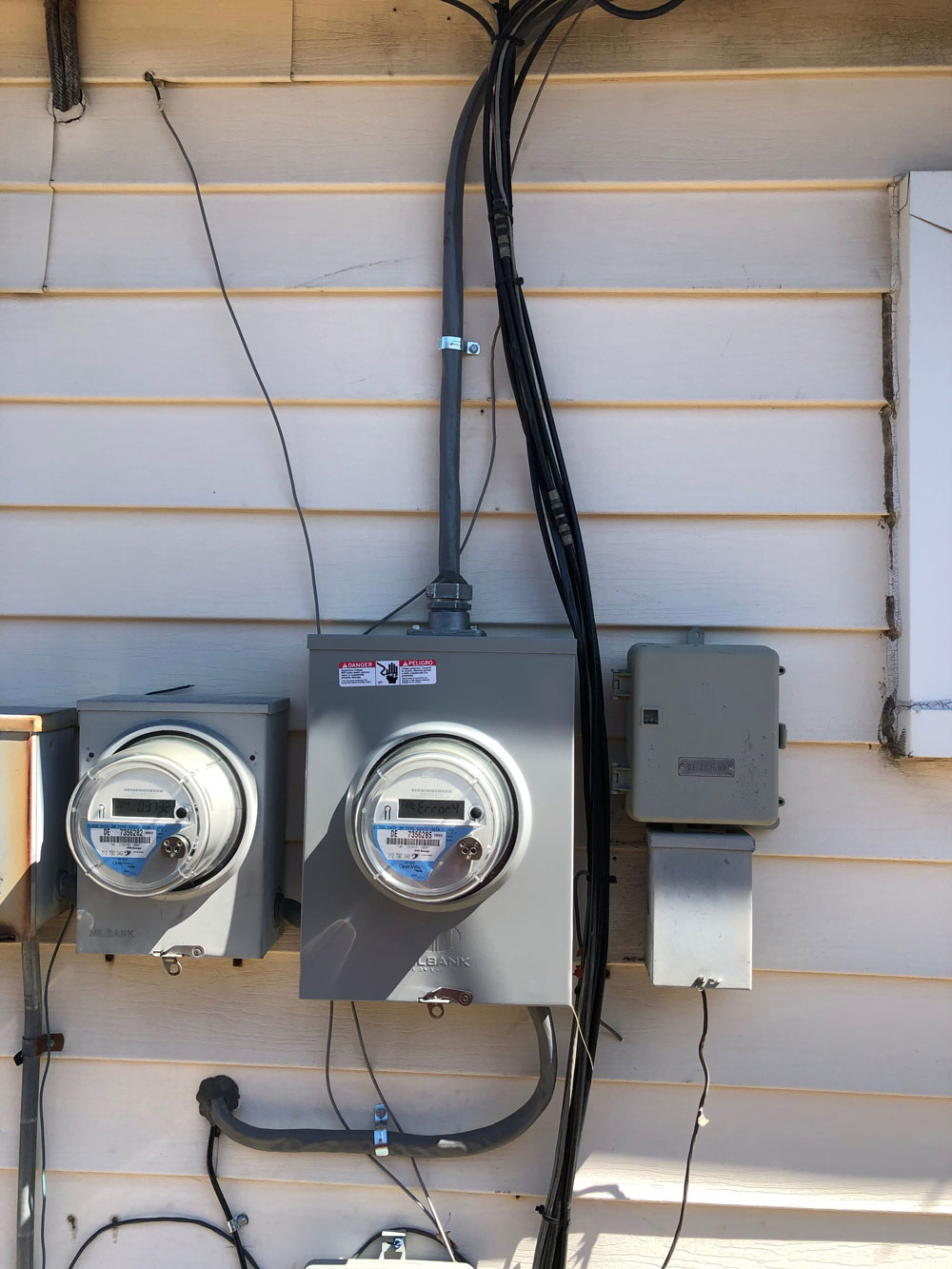
It is common to focus on the charger itself, but the electrical panel often determines what is practical. A load calculation considers existing electrical demands alongside the planned EV charging load. This review can reveal whether a new dedicated circuit is feasible as planned or whether service, panel, or load-management considerations should be explored.
Local permitting and inspection requirements may apply to residential electrical work in Michigan. Requirements can differ by jurisdiction and project details, so homeowners should ask how applicable permits and inspections will be handled. This is also a useful reason to avoid treating an EV charger as a simple appliance plug-in when a new 240-volt circuit is needed.
An EV charging outlet installation can be appropriate for a charger designed to plug into a compatible receptacle. The outlet, circuit, and protective device should be selected and installed for EV charging use rather than assuming any existing 240-volt outlet is suitable. A dedicated outlet can provide flexibility if the owner has a portable charging unit, but hardwiring may be preferable for some equipment and locations.
Equipment choices and questions worth asking
Vehicle brand does not eliminate the need for electrical planning. Many EVs use common charging standards, while some models use manufacturer-specific connectors or optional charging equipment. Adapters, connector compatibility, and the specific charger model should be reviewed before the electrical work is finalized.
Tesla charger installation requires consideration of the Tesla charging equipment selected, the desired circuit rating, and where the vehicle will park. Tesla owners may choose a wall connector or another compatible charging approach, but the electrical circuit still needs to be designed for the equipment’s requirements. Providing the charger model and vehicle information early can help avoid mismatched assumptions about plugs, settings, or capacity.
- What charging speed do you actually need based on daily mileage and overnight parking time?
- Is your preferred charger hardwired, or does it require a specific receptacle?
- Does the electrical panel have sufficient capacity and space for a dedicated circuit?
- Where will the vehicle park, and can the charging cable reach without creating a trip hazard?
- What equipment documentation, permits, or inspection steps may apply to the project?
- Are you planning for a second EV, a future charger upgrade, or a different parking arrangement?
Cost is another reason to start with a project-specific assessment. The charger purchase is only one part of the overall decision, since circuit length, panel conditions, wall access, exterior installation needs, and upgrades can affect the work required. A clear discussion of those variables helps a homeowner compare options on usefulness and safety, not solely on the advertised price of charging equipment.
Talk with Executive Electric about your home charging plan
Executive Electric offers a practical point of contact for homeowners evaluating EV charging electrical work near Grosse Pointe Park, MI. The company location is 20504 Hall Rd, Clinton Township, MI 48038, not a claimed office in Grosse Pointe Park. Sharing a few details about your vehicle, charger model, parking location, and electrical panel can make the initial conversation more productive.
Whether you are moving beyond a slow portable charger, preparing for a new EV, or deciding between an outlet and hardwired station, a professional conversation can clarify the next step. Executive Electric can help you focus on the electrical questions that matter before installation begins. Request a consultation for a home charging setup built around your actual driving and parking needs.
Common questions about charging at home
Do I need a Level 2 charger for an EV at home?
No. A Level 2 charger is not required for every EV owner, but it is often useful for drivers who need more charging range overnight than a standard 120-volt outlet can provide. Your daily mileage, available parking time, vehicle capability, and electrical capacity help determine whether it makes sense.
Can an existing 240-volt outlet be used for an EV charger?
Possibly, but it should be evaluated before regular EV charging begins. The outlet type, circuit rating, wire size, breaker, condition, and whether the circuit is dedicated all matter. An existing outlet installed for a different appliance may not be the right configuration for a continuous EV charging load.
What should I have ready before contacting Executive Electric?
Have the EV make and model, charger make and model if already purchased, photos of the electrical panel, and the proposed parking or charger location. It also helps to know your typical daily mileage and whether you prefer a plug-in outlet or hardwired unit. These details support a more useful initial discussion.
Is Executive Electric physically located in Grosse Pointe Park, Michigan?
Executive Electric’s supplied location is 20504 Hall Rd, Clinton Township, MI 48038. This page addresses Home EV charger installation for people in and around Grosse Pointe Park, MI, while accurately identifying Clinton Township as the listed company location.
Ready to plan a more convenient way to charge at home? Contact Executive Electric to discuss your EV, charging equipment, and electrical setup. Reach out through the contact page to start a conversation with the team at 20504 Hall Rd, Clinton Township, MI 48038.