Home EV charger installation Grosse Pointe, MI
Charging an electric vehicle at home can replace frequent public-station stops with a simpler routine: park, plug in, and let the vehicle charge while it is already in your driveway or garage. For homeowners researching Home EV charger installation in Grosse Pointe, MI, the important first step is determining whether the existing electrical system, parking location, and preferred charger support a safe, practical setup. Executive Electric is located at 20504 Hall Rd, Clinton Township, MI 48038, and homeowners can contact the company to discuss their project and service needs.
A properly planned residential charging setup is about more than mounting a device on a wall. It may involve evaluating panel capacity, selecting a charging level, planning the circuit route, choosing a connector or receptacle, and accounting for where the vehicle will park. Clear planning helps homeowners make a decision that fits both their current EV and likely future charging habits.
What a home charging project should solve
Home EV charger installation should make daily charging convenient without overlooking the electrical work behind it. The right arrangement gives the charger a dedicated, appropriately sized circuit and places the equipment where the cable can reach the vehicle without creating unnecessary clutter or strain. A professional evaluation also helps identify whether an electrical upgrade or a different charging approach should be considered before installation begins.
Many drivers seek an at-home solution after buying a first EV, adding a second electric vehicle, or finding that a basic portable cord does not keep up with normal driving. Others want more predictable overnight charging before work, school, appointments, or weekend travel. The best option depends on the vehicle, the home’s electrical capacity, and how many miles are typically driven between charging sessions.
- Convenience: Begin the day with charging completed at home rather than planning extra stops.
- Control: Choose where the charger sits and how the cable reaches the usual parking space.
- Speed options: Compare standard charging with faster 240-volt equipment based on household needs.
- Future planning: Consider whether a second EV, changing vehicle, or panel update may affect the design.
Residential charging begins with the electrical system
Residential EV charger installation starts with a practical review of the home, not simply a choice of charger brand. The electrical panel, available capacity, distance to the parking area, indoor or outdoor mounting conditions, and vehicle requirements all influence the scope of work. Reviewing these factors early can help avoid selecting equipment that does not match the property’s wiring or everyday use.
A dedicated circuit is a central part of a home EV charging setup because an EV can draw substantial power for extended periods. An electrician can assess the panel and proposed circuit rather than relying on assumptions based on the age or size of the house. If capacity is limited, the conversation may include reasonable alternatives such as load management, a panel-related upgrade, or a charging plan that better fits the available electrical service.
Choosing a charging level that fits your routine
Charging level is one of the most useful decisions to make before scheduling electrical work. Level 1 charging generally uses a standard household outlet and can be suitable for low daily mileage or long dwell times, while Level 2 equipment uses 240 volts and typically replenishes range more quickly. Neither approach is automatically right for every household, so the decision should reflect daily driving, vehicle capability, and the electrical evaluation.
When a dedicated home charging station makes sense
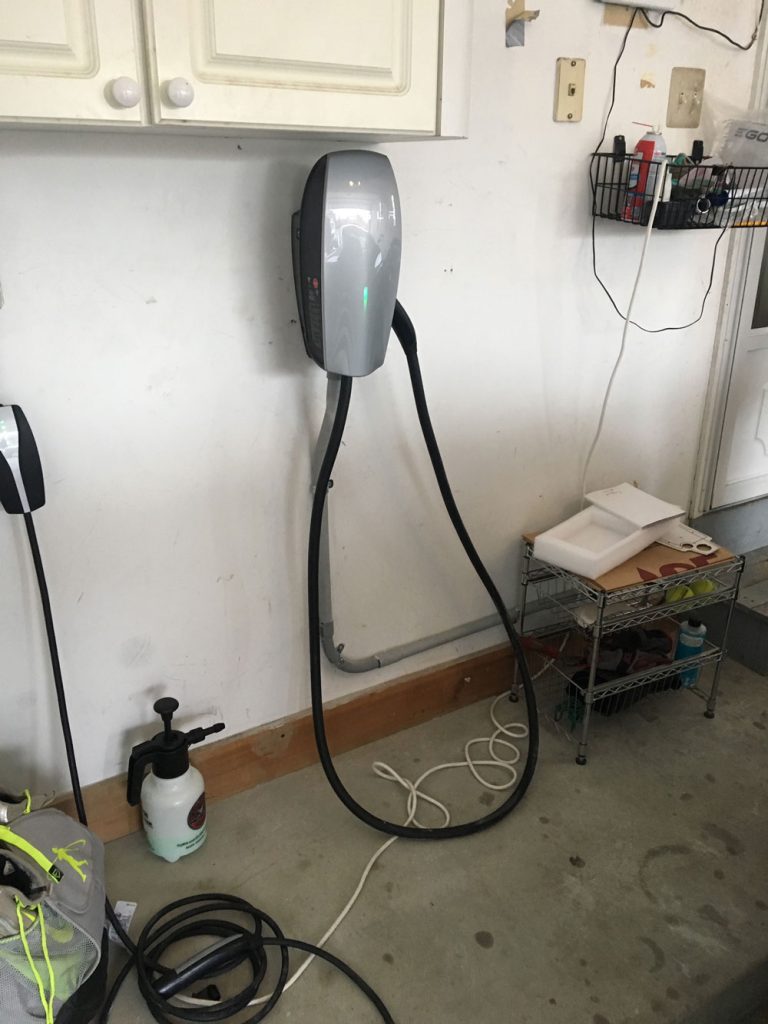
A Home charging station can be a sensible choice for drivers who want a permanent, organized place to charge where they normally park. Wall-mounted equipment can reduce dependence on a portable cord and may offer features that the owner values, such as charging schedules or status information, depending on the model selected. Placement matters because the charging cable should reach the vehicle comfortably while keeping the installation area usable and protected from avoidable damage.
Homeowners should also think beyond the charger itself. A garage installation may call for thoughtful wall placement around doors, storage, and the parking position, while an outdoor location needs equipment and mounting choices appropriate to the environment. Discussing the desired vehicle location at the outset helps determine a route for wiring and avoids an inconvenient cable path later.
Why many owners consider Level 2 power
Level 2 EV charger installation is commonly considered when a driver needs more charging capacity than a standard outlet can provide. It uses a 240-volt circuit and can be particularly useful for regular commuters, households with more than one EV, or owners who want dependable overnight replenishment. Actual charging performance still varies by the vehicle’s onboard charging capability, the charger rating, and the circuit design.
Faster charging is valuable only when it matches the household’s real needs. A larger circuit or higher-rated unit is not automatically the best value if the vehicle is parked for many hours and lower charging capacity already covers normal use. Comparing expected driving with available overnight time makes the choice more practical than selecting equipment based on a maximum rating alone.
240V EV charger installation requires attention to the circuit, overcurrent protection, conductor sizing, and the connection method chosen for the equipment. A hardwired charger and a receptacle-based installation are different approaches, and the appropriate option can depend on the charger instructions, local requirements, and how the homeowner expects to use the equipment. Professional planning helps align the electrical installation with the selected unit rather than treating the outlet or breaker as an afterthought.
Hardwired equipment, outlets, and vehicle-specific options
One of the most common decisions is whether to install a hardwired charging unit or a receptacle for a plug-in charger. A hardwired setup creates a direct equipment connection and may suit owners who have chosen a permanent charger. A receptacle can offer flexibility for a compatible plug-in unit, but it still needs to be properly selected and installed for continuous EV charging use.
Planning for Tesla and other EV connectors
Tesla charger installation should account for the specific Tesla charging equipment the owner plans to use, the intended mounting location, and the circuit requirements for that equipment. Tesla owners may choose a dedicated wall connector or use compatible charging arrangements, so it is helpful to identify the exact equipment before finalizing the electrical design. The same planning principle applies to every vehicle brand: match the installation to the charger instructions and the vehicle owner’s daily routine.
Drivers do not need to assume that a single equipment style works for every future vehicle. Connector adapters, plug-in equipment, and hardwired chargers can change the decision, but electrical safety and circuit compatibility remain constants. Bringing the charger model and vehicle details to the initial conversation can make the planning discussion more precise.
EV charging outlet installation can provide a dedicated receptacle for compatible portable or plug-in charging equipment. The outlet type, circuit rating, location, and equipment instructions must work together, especially because EV charging is a sustained electrical load rather than occasional appliance use. Homeowners should avoid treating an existing general-purpose outlet as a substitute for a purpose-planned charging circuit.
A straightforward way to prepare for installation
Good preparation makes a home charging consultation more productive and reduces surprises after equipment is selected. Before contacting Executive Electric, gather the information that describes the vehicle, preferred charger, electrical panel, and where the car usually parks. Photos may also help communicate the layout, but the final installation approach should follow an appropriate on-site evaluation and applicable requirements.
- Identify the EV model, charger model if already purchased, and preferred charging speed.
- Note whether the vehicle parks in a garage, carport, driveway, or another location.
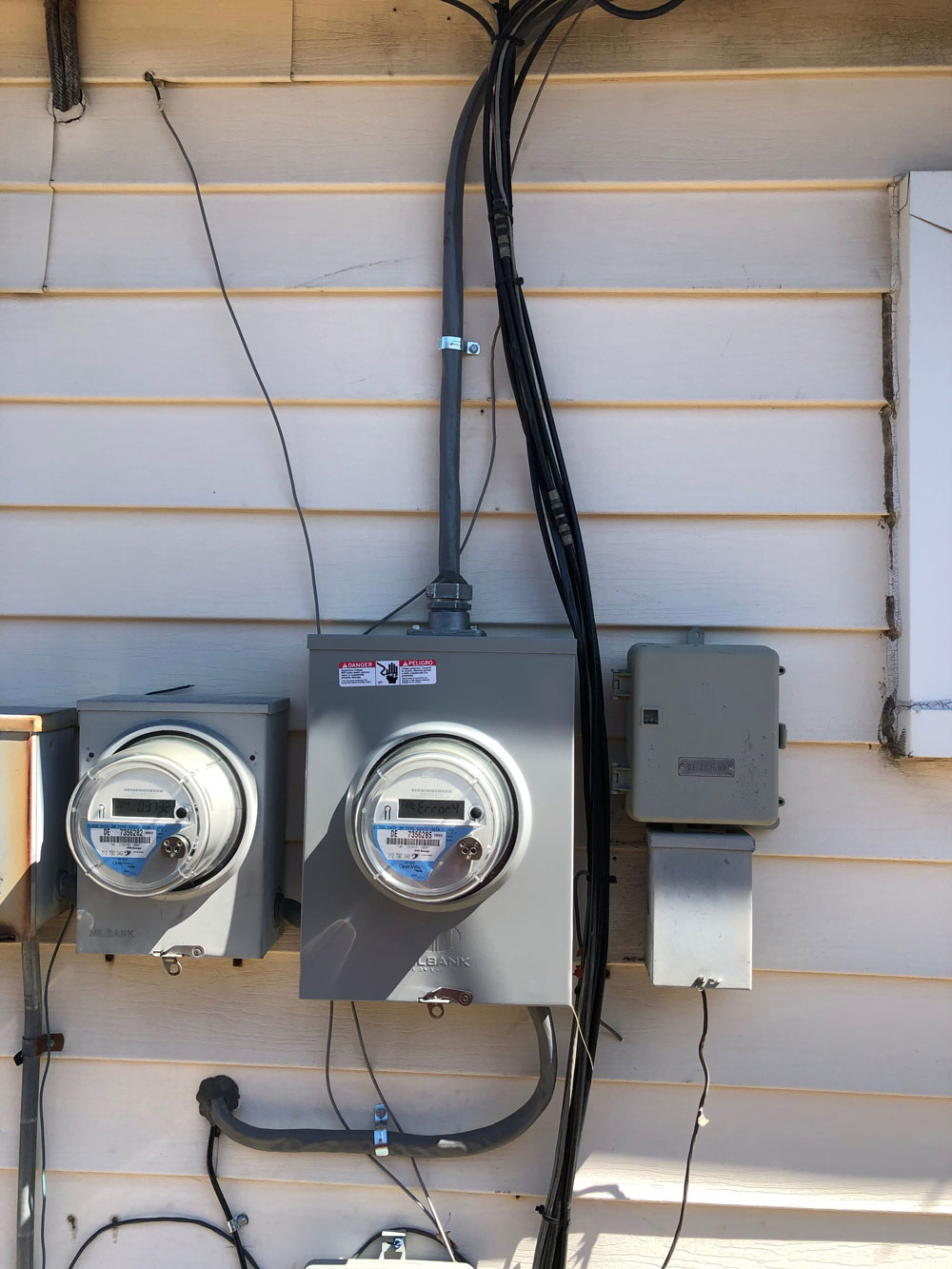
- Locate the electrical panel and consider the approximate route from the panel to the charger location.
- List other major electrical loads or future plans, including an additional EV or home renovation.
- Ask how the proposed circuit, equipment connection, placement, and any needed upgrades will be addressed.
It is also reasonable to ask what work is included, what information the electrician needs from the charger manufacturer, and whether permits or inspections may apply to the project. Requirements can vary by jurisdiction and installation details, so a qualified professional should evaluate the specific property rather than offering a one-size-fits-all answer. This is especially important in Michigan homes with older electrical equipment, finished walls, detached garages, or a long distance between the panel and parking area.
Why clear project planning matters in Grosse Pointe
For a Grosse Pointe homeowner, a charging project should balance convenience with the realities of the property. A short, direct wiring path may be possible in one home, while another may need a more detailed plan because of panel location, parking layout, finished spaces, or capacity constraints. Executive Electric can be contacted from its Clinton Township location to discuss the information needed for a project evaluation rather than assuming every home requires the same solution.
A well-considered residential EV charging installation can support a more reliable ownership routine, but it should not be treated as a simple appliance swap. Correct circuit planning, equipment compatibility, and intentional placement all contribute to a setup that is easier to use over time. Whether the goal is a first charger, a faster charging option, or preparation for another electric vehicle, the conversation should begin with the home’s actual electrical conditions.
Questions homeowners often ask
How long does Home EV charger installation usually take?
Installation time depends on the electrical panel, cable route, charger location, equipment choice, and whether upgrades or permits are needed. A simple nearby installation may be more straightforward than a project involving a detached garage, finished walls, limited panel capacity, or a long run to the parking area.
Do I need Level 2 charging at home?
Not always. Level 1 charging may work for drivers with modest daily mileage and ample time to charge, while Level 2 is often preferred for faster overnight replenishment. Compare your usual driving, vehicle charging capability, and available electrical capacity before choosing.
Can an existing household outlet charge my EV?
Some vehicles can charge from a standard outlet using compatible portable equipment, but that does not mean every existing outlet is appropriate for regular EV charging. Because charging is a continuous load, a dedicated circuit or properly planned outlet may be the better option after an electrical assessment.
Is Executive Electric physically located in Grosse Pointe, MI?
Executive Electric’s supplied location is 20504 Hall Rd, Clinton Township, MI 48038. Grosse Pointe residents who are considering a home EV charging project can use the contact form to discuss their needs, project details, and service questions directly with Executive Electric.
Discuss your home charging plans with Executive Electric
If you are comparing charger types, wondering whether your panel can support a dedicated circuit, or ready to plan a charging location, a project conversation is the next practical step. Share your vehicle details, preferred parking area, and any charger equipment you have already selected so the discussion can focus on the decisions that matter. Executive Electric is located at 20504 Hall Rd, Clinton Township, MI 48038.
Contact Executive Electric to discuss Home EV charger installation for your Grosse Pointe, Michigan home and get clarity on your next steps. A thoughtful electrical evaluation can help you choose a charging arrangement that supports your vehicle, property, and daily routine.