Home EV charger installation Bloomfield Hills, MI
Reliable at-home charging starts with an electrical setup that matches both the vehicle and the home. For drivers seeking Home EV charger installation in Bloomfield Hills, MI, Executive Electric provides a clear path for discussing charging goals, electrical capacity, equipment options, and the next steps for a safer, more convenient daily routine. Executive Electric is located at 20504 Hall Rd, Clinton Township, MI 48038, serving customers who need informed electrical guidance in the region.
A dedicated charger can reduce dependence on public stations and make it easier to begin each day with usable battery range. The right approach is not simply choosing the highest-amperage unit available. It is evaluating the vehicle, the intended parking location, the existing electrical system, and the practical charging speed a household actually needs.
Make everyday charging easier at home
Home charging is often the most practical way to support an electric vehicle because the vehicle can charge while it is parked for the evening or between daily trips. A professionally planned installation helps align the circuit, wiring, protective devices, and charger location with the property’s electrical conditions. This planning is especially valuable when a household expects to add another EV, upgrade vehicles later, or share power with major appliances.
Who benefits from a dedicated charging setup?
Drivers who commute regularly, have limited time for public charging, or want more control over their vehicle’s charging schedule can benefit from a dedicated home setup. It can also be a sensible improvement for households with more than one driver or a garage where an EV is parked most nights. The goal is dependable access to charging that fits the home’s routine rather than an oversized system that does not match real-world use.
- Owners who want faster charging than a standard household receptacle typically provides
- Households that want to charge overnight instead of making separate trips to public stations
- Drivers planning for a new EV purchase, a second vehicle, or changing transportation needs
- Homeowners who need to confirm whether panel capacity and circuit space support the proposed equipment
What the service is designed to address
Home EV charger installation is the process of preparing a dedicated electrical supply and appropriate connection point so an electric vehicle can charge at home in accordance with the selected equipment and applicable requirements. A thoughtful installation considers cable routing, mounting location, circuit sizing, load considerations, and access to the parked vehicle. It is a more complete solution than treating charging as an extension-cord or convenience-outlet issue.
Residential EV charger installation should begin with the home, not just the charger model. The electrical panel, available capacity, distance to the parking area, and the presence of other significant electrical loads all influence the project scope. Reviewing these conditions first helps clarify whether a straightforward dedicated circuit is appropriate or whether additional electrical planning may be needed.
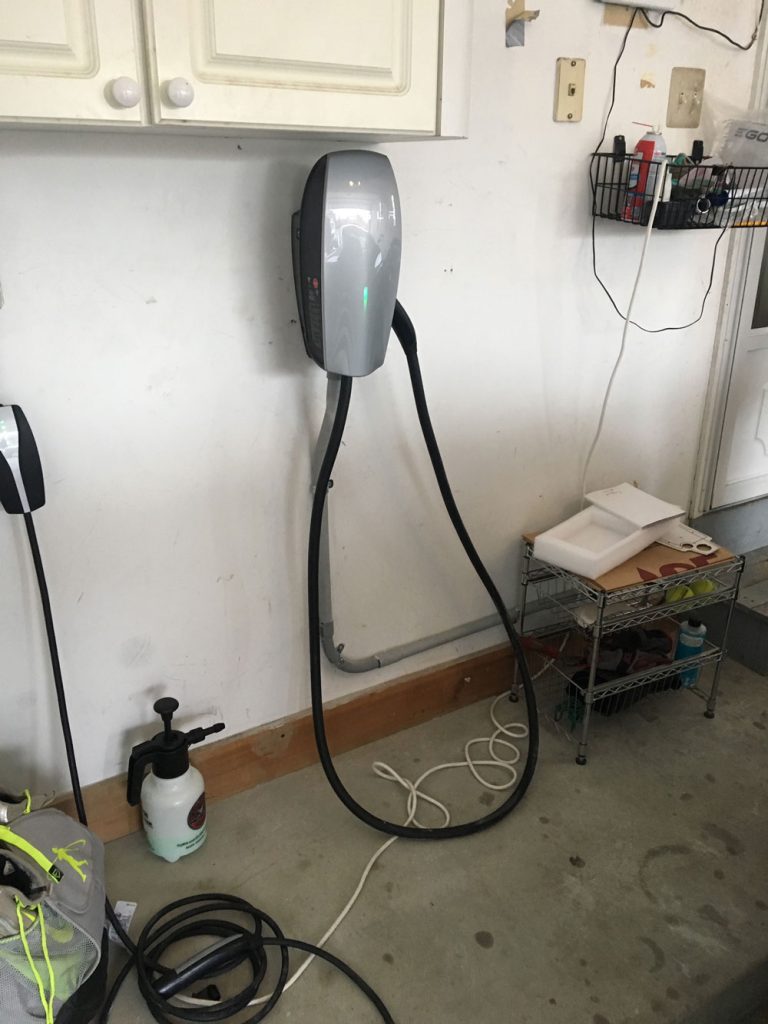
A Home charging station gives EV owners a fixed, accessible place to connect their vehicle where it is normally parked. Placement matters because a station should allow the charging cable to reach the vehicle without creating unnecessary strain, obstructions, or awkward daily use. Garage, driveway, and carport conditions can differ, so the intended parking pattern should be part of the initial discussion.
Choose charging speed and equipment with the home in mind
Most homeowners comparing charging options are deciding between basic slow charging and a dedicated Level 2 arrangement. The best choice depends on the vehicle’s charging capability, how many miles are driven between charging sessions, and how long the vehicle is usually parked. More power is not automatically better when a lower charging rate already restores the needed range overnight.
Why Level 2 charging is a common home upgrade
Level 2 EV charger installation generally uses a 240-volt supply to deliver substantially more charging power than a typical 120-volt household outlet. That added capacity can be helpful for drivers with longer commutes, larger battery packs, or shorter overnight parking windows. The specific charging rate remains dependent on the vehicle, the charger, and the electrical circuit selected for the installation.
A 240V EV charger installation requires more than recognizing that a dryer-style or other high-voltage outlet exists in the home. The circuit must be properly designed for the intended charging load, and the home’s electrical service and panel capacity need appropriate consideration. A dedicated 240-volt circuit can support convenient charging, but its details should match the equipment instructions and electrical conditions rather than assumptions about an existing receptacle.
Hardwired chargers and plug-in chargers are both common options, but they create different planning considerations. A hardwired unit is connected directly to its circuit, while a plug-in unit uses an appropriately installed receptacle. Charger features such as scheduling, network connectivity, cable length, and current settings may matter, but safe electrical compatibility should remain the foundation of the decision.
- Standard 120-volt charging: often suitable for low daily mileage or situations with long parking periods
- Level 2 charging: a practical option when faster overnight charging supports the household’s routine
- Hardwired equipment: a fixed connection that can be selected based on the charger’s requirements
- Plug-in equipment: requires an appropriately installed outlet and should not rely on a makeshift adapter setup
Tesla, universal connectors, and charging outlets
Tesla charger installation should be planned around the selected Tesla charging equipment, the vehicle’s connector arrangement, and the home’s available electrical capacity. Tesla owners may use dedicated Tesla equipment or, depending on their needs and equipment compatibility, consider other charging solutions. The useful decision is the one that provides a convenient connection and sufficient charging rate for the vehicle’s actual schedule.
An EV charging outlet installation can be appropriate when the chosen charger is designed to plug into a compatible receptacle. The outlet type, circuit rating, wiring, and location should all be selected for the specific charging equipment and continuous-use demands. A properly considered outlet installation is different from using an existing general-purpose receptacle for a load it was not intended to handle.
A practical path from planning to daily use
The installation process should make the electrical work understandable before equipment is placed on the wall. A property-specific review can identify the likely circuit path, panel considerations, charger location, and any visible factors that could affect the work. Local permitting and inspection requirements may apply, so the project should account for the rules that govern electrical work in the applicable Michigan jurisdiction.
- Identify the vehicle, charger preference, normal parking position, and desired charging window.
- Review the electrical panel, service capacity considerations, available circuit space, and route from the panel to the charger location.
- Select equipment and a connection method that work together, whether hardwired or receptacle-based.
- Complete the electrical installation with attention to circuit protection, wiring method, secure placement, and applicable requirements.
- Confirm how the owner will use the equipment, including cable handling, charging settings, and any manufacturer instructions.
After installation, the charging setup should be simple to use without becoming an obstacle in the garage or parking area. Owners should follow the charger and vehicle manufacturer’s operating guidance, avoid unauthorized modifications, and monitor equipment for visible damage. If household electrical needs change later, such as adding another EV or major appliance, it is wise to reassess the system rather than assume the original circuit covers every future load.
Why contact Executive Electric for your Bloomfield Hills project
Choosing an electrical provider for an EV charger project means looking beyond the charger purchase itself. Clear communication about the home, vehicle, desired location, and charging expectations can help prevent mismatched equipment choices and surprise scope changes. Executive Electric gives Bloomfield Hills, MI homeowners a direct contact option to discuss the electrical side of a proposed home charging project with a company located in Clinton Township, Michigan.
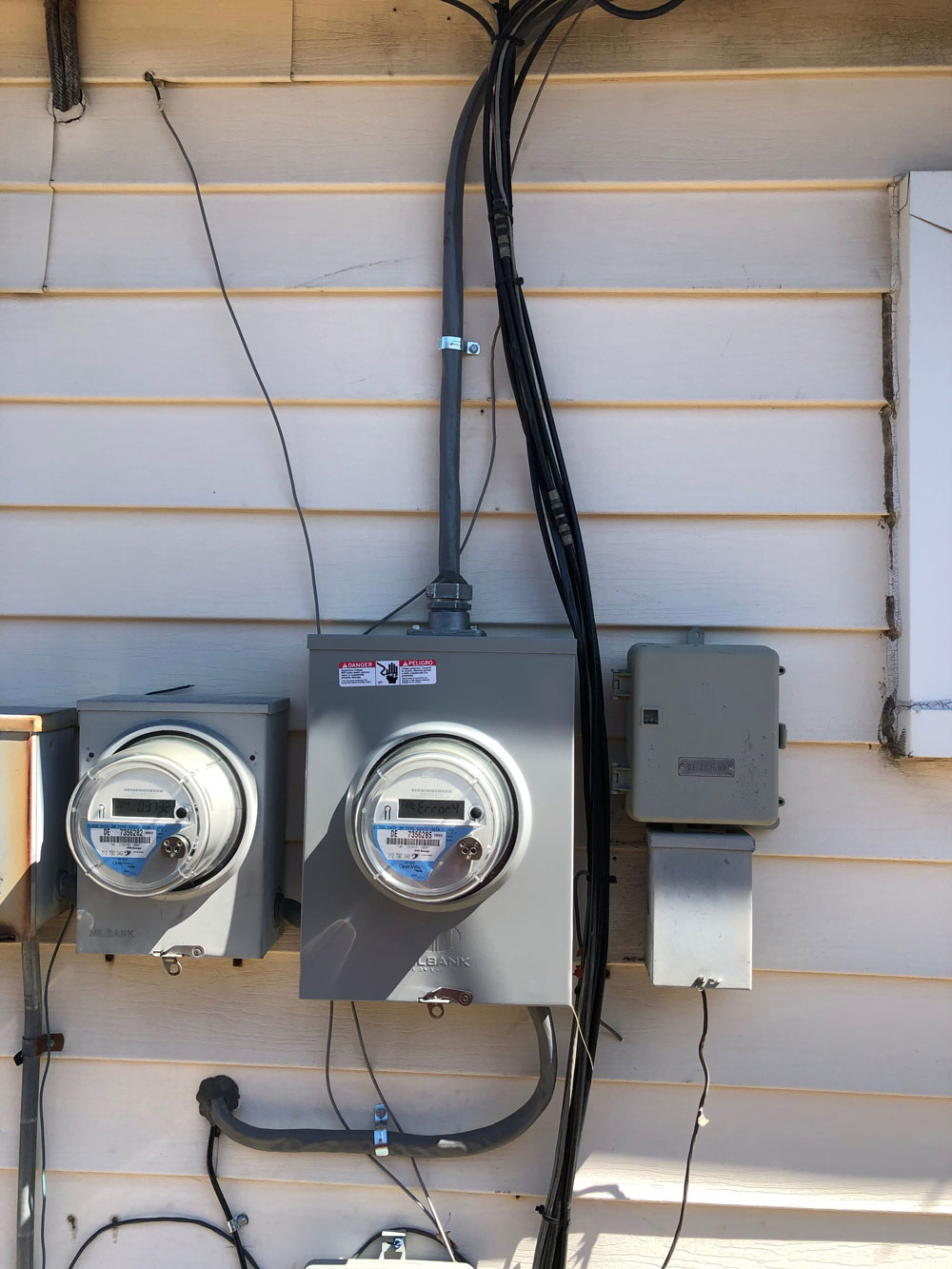
It is helpful to gather a few details before making contact: the EV make and model, preferred charger, photos or information about the electrical panel, approximate distance to the parking spot, and whether the charger will be indoors or outdoors. These details create a more productive initial conversation and help frame the options that may fit the property. They also make it easier to compare a basic charging arrangement with a dedicated Level 2 solution based on convenience, capacity, and future plans.
Common home EV charging questions
How long does a Home EV charger installation usually take?
A straightforward project may involve a dedicated circuit, wiring route, charger connection, and required verification, but the timeline depends on the home’s electrical conditions and project scope. Panel capacity, distance to the charging location, equipment choice, and local requirements can all affect the work. An initial discussion helps define the likely steps for a specific property.
Do I need Level 2 charging at home?
Level 2 charging is useful when 120-volt charging cannot restore enough range during the time the vehicle is parked. It is often a good fit for regular driving, larger batteries, or tighter overnight schedules. Drivers with low daily mileage and long parking periods may find standard charging adequate.
Can an existing 240-volt outlet be used for an EV charger?
Possibly, but the existing outlet, circuit rating, wiring, condition, and intended charger must be evaluated before relying on it. A circuit that serves another appliance or was not designed for EV charging may not be appropriate. A dedicated circuit is often the clearer approach for a permanent home charging setup.
Is Executive Electric physically located in Bloomfield Hills, MI?
Executive Electric’s supplied location is 20504 Hall Rd, Clinton Township, MI 48038. Bloomfield Hills is the service-area context for this page, not a claimed company office location. Contact Executive Electric to discuss whether the planned charging project and property needs can be addressed.
Start planning your home charging setup
A well-planned charger can turn EV charging into a routine part of being home rather than another errand on the calendar. Contact Executive Electric to discuss Home EV charger installation needs for Bloomfield Hills, Michigan, including charger type, electrical capacity considerations, and the intended parking location. Reach the team through the Executive Electric contact page or visit the company location at 20504 Hall Rd, Clinton Township, MI 48038 to begin the conversation.