Home EV charger installation Bloomfield, MI
Home EV charger installation gives Bloomfield, MI, drivers a practical way to recharge where their vehicles spend the most time: at home. Instead of relying on public stations for routine charging, a properly planned dedicated circuit and charger can make daily ownership simpler, more predictable, and easier to fit around work and family schedules. Executive Electric is located at 20504 Hall Rd, Clinton Township, MI 48038, and homeowners can contact the company to discuss the electrical needs of an at-home charging project.
The right setup is not simply a matter of mounting a charging unit on a wall. It involves evaluating the electrical panel, selecting an appropriate charging level, determining a safe cable route, and matching the equipment to the vehicle and household’s actual routine. A thoughtful plan helps a homeowner invest in a charging solution that is useful today while considering future vehicle or electrical needs.
Why add charging capability at home?
A dedicated home charging arrangement is often most valuable for drivers who park in the same driveway or garage for several hours at a time. Overnight charging can restore usable range during the hours a vehicle is already sitting still, which reduces the need to make special stops for everyday energy needs. For many households, the key benefit is convenience built into the normal parking routine.
- Start the day with charging completed rather than searching for a public station.
- Use the vehicle’s scheduled charging settings when available to fit personal routines.
- Keep the charging cord organized at a regular parking space.
- Support households that have added an EV or expect to add another electrified vehicle later.
Home charging is not one-size-fits-all. A plug-in hybrid with a smaller battery may work well with a lower-capacity arrangement, while a battery-electric vehicle used for frequent longer drives may benefit from faster overnight replenishment. Parking position, garage access, panel capacity, the distance from the panel to the charger location, and the vehicle connector all influence the most sensible design.
Residential planning starts with the electrical system
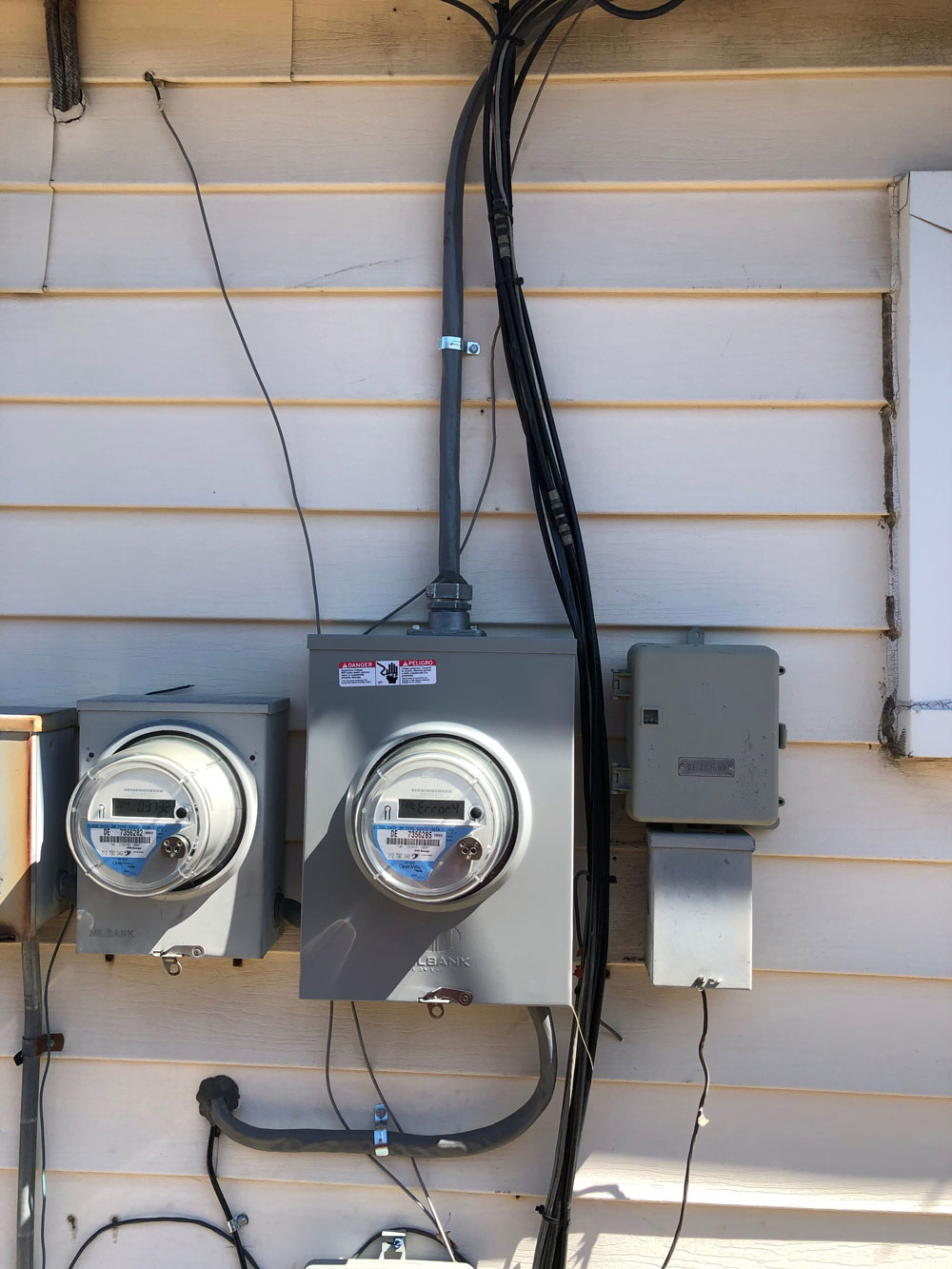
Residential EV charger installation begins with the home’s electrical infrastructure, not with an assumption that every charger can be added to every panel in the same way. An electrician needs to consider available load capacity, the rating of the existing service and panel, circuit space, and the route required to reach the desired parking location. This evaluation helps identify whether a dedicated circuit may be appropriate or whether an electrical upgrade should be considered before equipment is selected.
For an EV owner, the assessment also helps clarify realistic expectations. A larger charger does not automatically mean the vehicle will charge at its maximum advertised rate, because the vehicle’s onboard charging capability, circuit size, equipment rating, and installation conditions all matter. Discussing the intended vehicle, approximate daily driving, and future plans up front creates a more useful starting point than choosing equipment based on appearance alone.
A fixed charger versus a receptacle
A Home charging station is typically a wall-mounted EV supply device that is connected to a dedicated electrical circuit and provides a convenient, consistent place to plug in. Many units offer features such as scheduling, status indicators, app connectivity, or cable management, although available features vary by model. Selecting a station should account for where it will be installed, cable reach, weather exposure if placed outdoors, and compatibility with the vehicle connector.
Some homeowners prefer a receptacle-based approach so they can use a portable charging cord or have flexibility in equipment selection. That option still requires proper circuit sizing, a suitable receptacle, and installation practices appropriate to the equipment and setting. A permanently connected unit can reduce repeated plug wear and keep the charging area orderly, while a receptacle may appeal to owners who value portability. The best choice depends on how the vehicle is parked and how the household expects to charge.
Choosing the charging level that fits your driving
Most drivers comparing home options are deciding between basic Level 1 charging from a standard household outlet and Level 2 charging on a dedicated 240-volt circuit. Level 1 can be a reasonable alternative for low daily mileage and long parking windows, but it generally adds range more slowly. Level 2 is commonly chosen when a household wants more charging flexibility overnight or needs to recover more energy between regular drives.
When faster overnight charging makes sense
Level 2 EV charger installation uses a higher-voltage dedicated circuit to provide substantially faster charging than a typical 120-volt connection, subject to the vehicle and charger ratings. It can be a practical fit for fully electric vehicles, drivers with longer daily commutes, or homes where charging time between trips is limited. The appropriate circuit and charger capacity should be based on the electrical assessment and the owner’s needs rather than on a single advertised charging speed.
Level 2 does not mean every household needs the highest available amperage. A modest charging rate may fully support a vehicle’s daily needs while limiting the scope of electrical work, whereas another household may reasonably plan for greater capacity because of driving patterns or a second EV. Comparing those tradeoffs with a professional can help the homeowner focus on usable overnight charging rather than a number that exceeds practical needs.
240V EV charger installation refers to the dedicated higher-voltage electrical supply commonly used for Level 2 equipment. The circuit must be selected and installed to match the charging equipment and applicable electrical requirements, including considerations for continuous loads and overcurrent protection. Because this work involves the home’s electrical distribution system, it is a project to plan with a qualified electrical professional rather than an extension-cord workaround.
A common misconception is that an existing large appliance outlet automatically provides a ready-made EV charging solution. Appliance circuits, receptacle configurations, location, load demands, and wiring condition may not match the requirements of a charger. A site-specific review is the safer way to determine whether existing infrastructure can be used or whether a new dedicated circuit is the appropriate path.
Equipment compatibility and a clear installation path
Vehicle brand is one part of the decision, but connector type, charging settings, equipment listing, cable length, and placement all deserve attention. Homeowners should have the EV model or planned vehicle available when discussing the project, along with photos or basic information about the panel and parking area if requested. Clear information early in the process makes it easier to evaluate a charger location that is accessible without creating an awkward cable path.
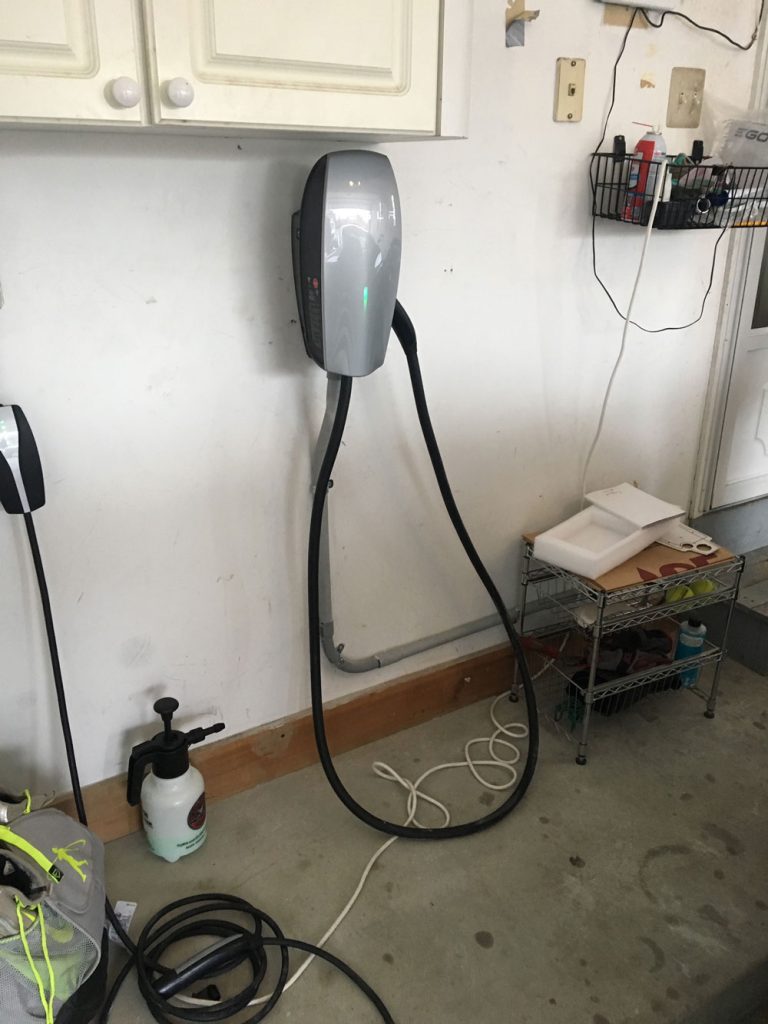
Tesla charger installation may involve a Tesla Wall Connector, a compatible third-party charging unit, or a receptacle arrangement used with the vehicle’s charging equipment. The selected equipment and connector should suit the specific vehicle and the household’s charging habits. Planning cable reach is particularly important, since the charge port location can differ across vehicle models and a cable should not be stretched across a walking path.
Installation location affects everyday usability as much as charging speed. In a garage, the ideal point may be near the parking position while remaining clear of doors, storage, and pedestrian traffic. For an outdoor location, equipment suitability for the environment and a protected, orderly routing approach are important considerations. A well-chosen location makes the final setup easier to use consistently.
Outlet-based charging needs a dedicated approach
EV charging outlet installation provides a properly planned receptacle option for drivers who intend to use a compatible plug-in charging device. The outlet type, circuit rating, protective device, enclosure or location conditions, and the charging equipment’s instructions all need to work together. It should not be treated as an ordinary convenience outlet because EV charging can place a sustained demand on the circuit.
An outlet-based setup can be useful when a homeowner wants to use portable equipment, but it also calls for attention to how often the plug will be connected and disconnected. A hardwired charger and a receptacle-based charger each have legitimate use cases. The better fit is the one that supports safe, repeatable charging in the actual parking space without unnecessary complexity.
What to expect when planning a home EV charging project
A professional installation process should turn a broad goal, such as charging overnight at home, into a defined electrical scope. Before any work is scheduled, it helps to identify the vehicle, parking arrangement, preferred charger location, electrical panel location, and any future plans for another EV. Executive Electric can be contacted for a conversation about these project details from its Clinton Township, Michigan location.
- Review the charging goal: Consider daily miles, time available for charging, vehicle type, and whether the setup is intended for one or more EVs.
- Assess the electrical path: Evaluate panel capacity, available space, circuit requirements, and the route from the panel to the parking area.
- Select compatible equipment: Choose a hardwired unit or receptacle-based option that suits the vehicle, location, and desired charging level.
- Plan installation details: Account for mounting height, cable management, outdoor conditions where relevant, and permits or inspections that may apply locally.
- Use and maintain the setup thoughtfully: Follow manufacturer instructions, avoid damaged cords or adapters, and keep the charging area clear.
Homeowners in Bloomfield, MI, may also want to ask about the practical scope before committing to a charger purchase. Useful project details include whether panel work may be needed, where the equipment will be placed, what equipment specifications are appropriate, and whether local permitting or inspection requirements affect the schedule. These points are not obstacles to avoid, they are part of making the installation fit the home correctly.
For a dedicated Home EV charger installation plan, the most helpful next step is to bring together the information that determines the scope rather than relying on a generic online estimate. Executive Electric can help start that discussion around the vehicle, electrical panel, parking space, and preferred charging approach. That preparation supports a more informed decision for a Bloomfield household and a better foundation for reliable everyday charging.
Common questions from Bloomfield EV owners
How long does a Level 2 home charger take to charge an EV?
Level 2 charging time varies by the vehicle’s battery size, onboard charger, starting state of charge, charger output, and circuit capacity. Many drivers use Level 2 equipment because it can replenish routine daily driving during an overnight parking period. The right charging rate depends on the household’s actual driving pattern, not just the largest charger available.
Do I need an electrical panel upgrade for a home charger?
Not always. Whether an upgrade is needed depends on the home’s existing electrical service, panel capacity, available circuit space, calculated load, and the charger being considered. An electrical assessment can determine if a dedicated circuit can be added as-is or if changes to the electrical system should be considered.
Can I use an existing dryer or appliance outlet for EV charging?
An existing appliance outlet should not be assumed suitable for EV charging. Its circuit rating, wiring, receptacle type, location, load demands, and condition may differ from what charging equipment requires. A dedicated EV circuit is often the clearer approach because it is designed around the charger and the sustained nature of charging.
Where is Executive Electric located for Bloomfield, Michigan customers?
Executive Electric is located at 20504 Hall Rd, Clinton Township, MI 48038. Bloomfield homeowners seeking home charging guidance can use the contact page to discuss their vehicle, panel, desired charger location, and project considerations with the company.
Ready to make at-home EV charging part of your routine?
Contact Executive Electric to discuss a home EV charging project for your Bloomfield, MI property. Share the vehicle you drive or plan to purchase, your parking arrangement, and any information available about the electrical panel. Reach Executive Electric at its location, 20504 Hall Rd, Clinton Township, MI 48038, through the contact form.