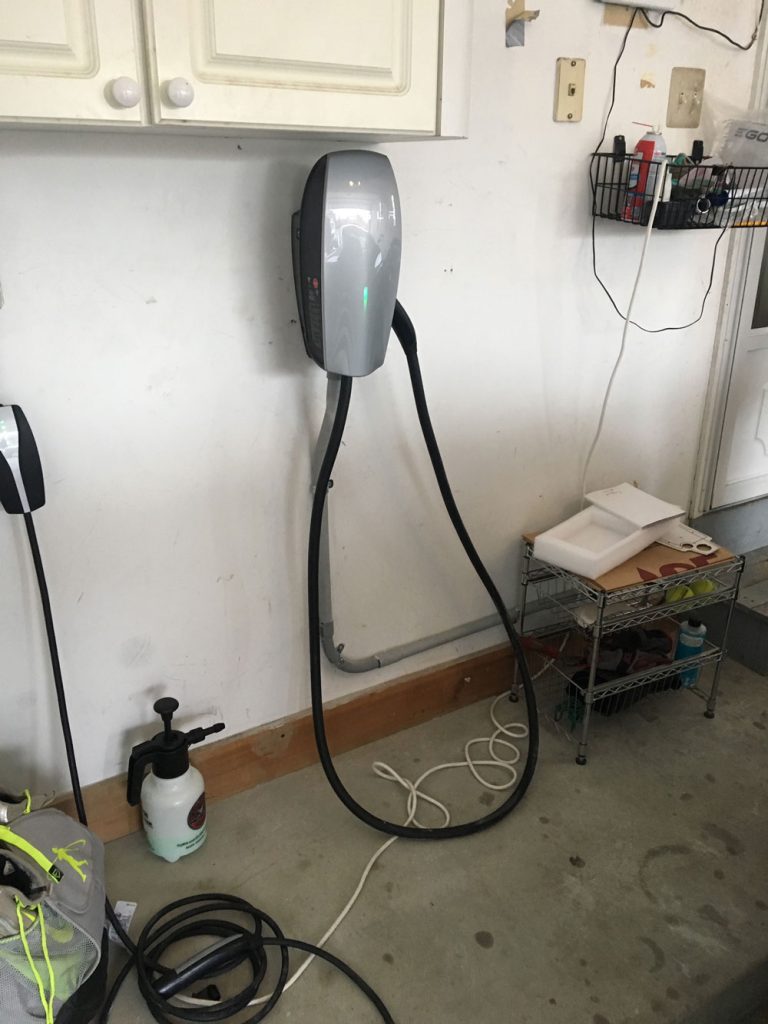
Home EV charger installation Birmingham, MI
Charging an electric vehicle at home should fit the way you park, drive, and use your electrical system. For homeowners researching Home EV charger installation in Birmingham, MI, Executive Electric provides a direct path to discussing the electrical work behind a dependable at-home charging setup. The company is located at 20504 Hall Rd, Clinton Township, MI 48038, and can help you begin with the practical questions that matter before a charger is selected or installed.
A professionally planned charging connection can replace routine public-charger stops with the convenience of plugging in where your vehicle is parked. The right approach depends on more than the vehicle model: available panel capacity, circuit routing, parking layout, charger specifications, and local permit requirements can all affect the scope. An informed conversation before work begins helps Birmingham homeowners make choices that support daily driving rather than create avoidable limitations.
Make overnight charging part of your routine
Home charging gives EV owners a consistent place to replenish the battery during downtime, often overnight. Instead of treating a charging stop as another errand, you can arrive home, connect the vehicle, and start the next day with charging completed or well underway. This arrangement can be especially practical for households with predictable commutes, school drop-offs, errands, or multiple drivers sharing one vehicle.
The best home setup is not automatically the highest-powered unit. A suitable installation balances your vehicle’s onboard charging capability, the electrical service available at the house, the hours the vehicle is parked, and your expected driving needs. Executive Electric can be a useful point of contact when you want to move from general charger research to an installation discussion grounded in your home’s electrical conditions.
Why a dedicated circuit matters
EV charging places a sustained electrical load on a home’s system, which is why the charger or receptacle generally needs an appropriately sized dedicated circuit. The electrical pathway includes more than the visible wall-mounted equipment: it may involve the service panel, circuit breaker, wiring method, disconnecting means where applicable, and the final charger location. Treating the project as complete electrical work, rather than simply adding an outlet, supports a clearer and safer plan.
- Charge where the vehicle is normally parked, such as a garage or driveway area.
- Reduce reliance on portable cords and repeated public-charging trips.
- Plan cable reach so the connector can access the vehicle’s charge port without strain.
- Consider current driving needs alongside a possible future vehicle change.
What to consider before scheduling an EV charger project
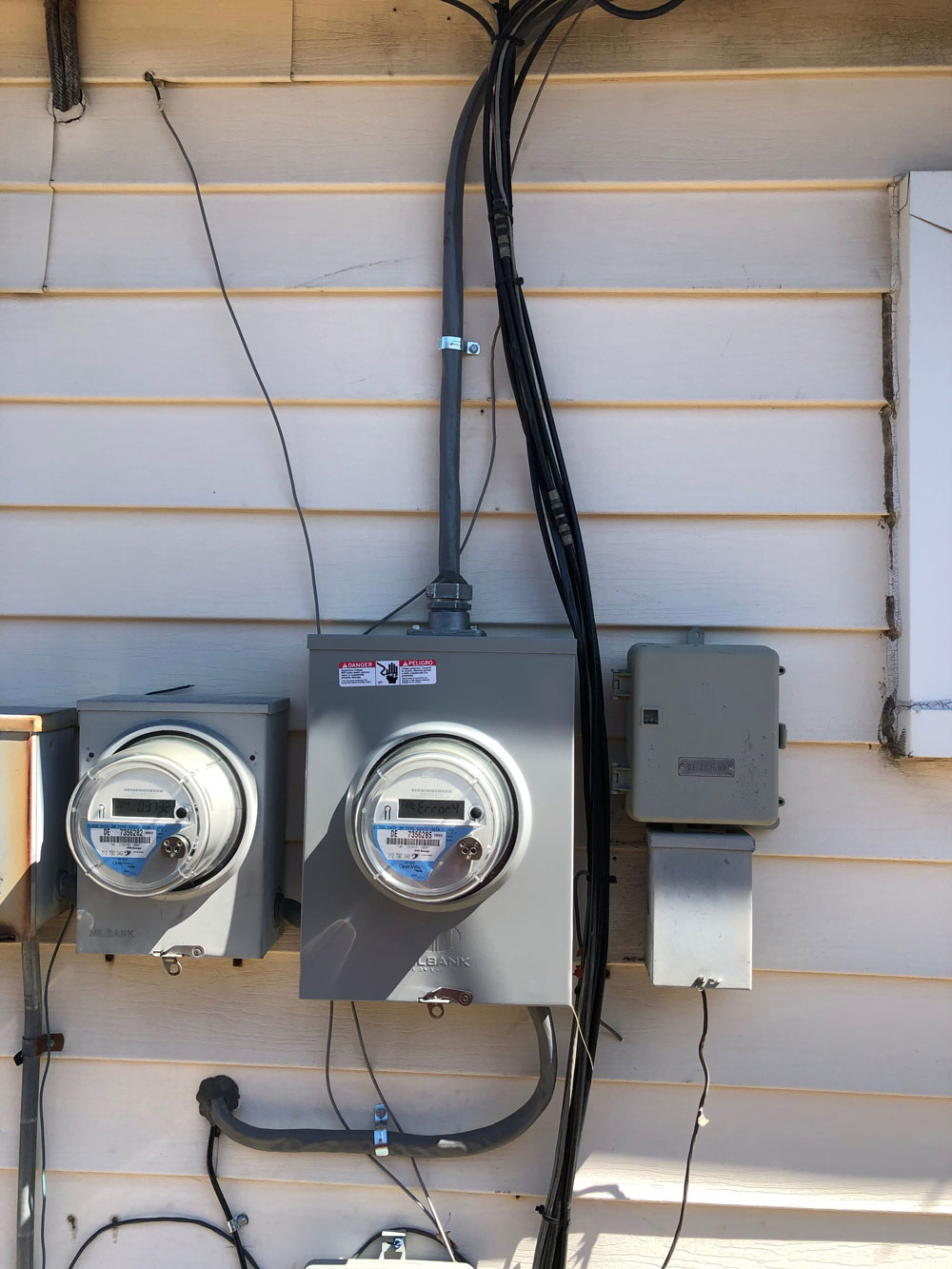
A site-specific assessment is the sensible first step for a residential vehicle charging project. The installer needs to understand where the electrical panel is located, how much capacity may be available, where the vehicle parks, and how wiring could travel between those points. Older homes, attached garages, detached garages, and outdoor parking areas can each create different routing and equipment considerations.
It is also helpful to have your vehicle and charging equipment information ready. The charger manual, requested amperage, connector type, hardwired or plug-in design, and any manufacturer requirements can guide the conversation. If a panel upgrade, subpanel, trenching, or a longer cable route is needed, those factors may change the project scope and should be identified before installation day.
Questions that shape the right charging plan
Before choosing equipment or approving work, homeowners should ask how the proposed circuit will be sized, whether the home’s electrical load needs review, and where the equipment will be located. They should also ask about permit and inspection responsibilities, the expected cable route, and whether a hardwired unit or receptacle best suits the selected charger. Clear answers help prevent a plan that looks convenient on paper but conflicts with the home, vehicle, or applicable requirements.
- Identify the vehicle, charge-port type, charger model, and typical miles driven.
- Choose a parking-side location with practical connector reach and weather considerations.
- Review panel capacity and the proposed dedicated-circuit route.
- Confirm needed approvals, installation details, and inspection expectations.
- After installation, follow the equipment instructions for operation and routine use.
Residential EV charger installation for everyday drivers
Residential EV charger installation is designed around the electrical demands and physical layout of a private home, not a generic one-size-fits-all charger package. A household may need a garage-mounted unit, an exterior-rated solution near a driveway, or a carefully routed circuit to reach a detached parking area. Reviewing those conditions early helps align the electrical design with how the residents will actually use the vehicle.
For many drivers, the main value is control over when and where charging happens. Homeowners can choose to charge during the hours their vehicle is parked and avoid basing every trip on public-station availability. A dedicated residential setup also makes it easier to establish a repeatable routine for a new EV, a plug-in hybrid, or a household preparing for another electric vehicle.
Choosing the right home charging station location
A Home charging station should be placed where it can serve the vehicle without creating awkward cable paths, blocked access, or unnecessary exposure to damage. The location must account for the charging cable length, the vehicle’s port position, clearance around doors and walkways, and the practical route from the electrical panel. Outdoor installations may require equipment and placement suited to the environment, while garage installations still need thoughtful cable management.
Location choices can also affect cost and complexity. A charger close to an electrical panel may require less wiring than one on the far side of a garage or near a detached structure, but convenience at the parking space remains important. A useful plan weighs both factors rather than selecting a location based only on the shortest route.
Understanding Level 1, Level 2, hardwired, and outlet-based options
Vehicle owners often begin with the portable cord that came with the car, commonly associated with standard household power. That option may work for low daily mileage or long parking windows, but it can be too slow for drivers who need to replace more range overnight. A dedicated higher-capacity solution is often considered when faster at-home replenishment and daily convenience are priorities.
When Level 2 charging makes sense
Level 2 EV charger installation typically uses a 240-volt circuit to provide faster AC charging than a standard 120-volt charging arrangement. The actual charging rate still depends on the charger, circuit capacity, and the vehicle’s onboard charger, so more electrical capacity does not automatically mean every EV will charge at the same speed. This option can be a strong fit for drivers who want meaningful overnight charging or who regularly use more battery range.
Level 2 equipment can be hardwired or connected through a compatible receptacle, depending on the selected charger and installation plan. Hardwired units can offer a clean, dedicated connection, while an outlet-based arrangement may provide equipment flexibility when designed correctly. The best choice should reflect the equipment instructions, electrical design, and the owner’s long-term plans.
240V EV charger installation involves adding or adapting the electrical infrastructure needed for a higher-voltage charging circuit. That work requires proper circuit sizing and a review of the home’s electrical load, because the charger is not simply another ordinary appliance. A professional electrical discussion helps determine whether the existing service and panel can support the proposed charging equipment or whether additional work should be considered.
Some homeowners ask whether a higher-voltage circuit is necessary if they drive only a short distance each day. It may not be, particularly when the car has ample time to charge at a lower rate, but a 240-volt solution can offer valuable flexibility for changing schedules, longer trips, or a future EV. The decision should be based on real charging habits rather than assumed maximum speed alone.
Equipment choices for Tesla and other EVs
Tesla charger installation should account for the specific charging equipment, connector arrangement, circuit requirements, and vehicle manufacturer’s guidance. Tesla owners may choose manufacturer-branded equipment or other compatible charging solutions, and the electrical installation should match the selected unit’s listed requirements. Sharing the exact equipment model before the project begins helps ensure the circuit and connection method are planned appropriately.
The same principle applies to every make of electric vehicle. Connector adapters, future vehicle changes, smart-charging features, and desired charging speed can influence which equipment makes sense for the household. Executive Electric can help start the electrical side of that conversation without requiring homeowners to guess which installation details are relevant.
EV charging outlet installation can be appropriate when a homeowner selects a plug-in charger designed for a compatible receptacle. The receptacle, wiring, breaker, and circuit configuration must be chosen for the charging load and the equipment specifications, not simply matched to the plug shape. Because EV charging can be a prolonged load, the outlet and its installation deserve the same careful planning as a hardwired charger connection.
A plug-in approach may allow a charger to be replaced or relocated more easily in some circumstances, while a hardwired approach can avoid relying on a receptacle connection. Neither option is universally better. The selected charger, intended use, location, and electrical design should drive the decision.
Talk with Executive Electric about your Birmingham charging setup
Home EV charger installation in Birmingham, MI is most successful when the charger, parking space, and electrical system are considered together. Executive Electric is located at 20504 Hall Rd, Clinton Township, MI 48038, providing a clear business location for Michigan homeowners who are ready to discuss a residential charging project. Bring your vehicle details, preferred charger information, photos or notes about the parking area, and questions about your panel or circuit route to make the initial conversation more productive.
Ready to plan a more convenient way to charge at home? Contact Executive Electric to discuss your home charging goals and the electrical considerations for your property. The Executive Electric location at 20504 Hall Rd, Clinton Township, MI 48038 is the place to begin your inquiry about a Birmingham-area installation.
Frequently asked questions about home EV charging
How long does a home EV charger installation take?
The timeline depends on the existing electrical panel, charger location, wiring distance, permit requirements, and whether upgrades are needed. A straightforward dedicated circuit may involve fewer steps than a project requiring panel work, a detached-garage route, or exterior wiring. An assessment is the best way to understand the expected scope for a specific home.
Do I need a Level 2 charger at home?
Not every driver needs Level 2 charging. A 120-volt option may suit low daily mileage and long parking periods, while Level 2 charging is often preferable for faster overnight replenishment, higher daily driving needs, or greater schedule flexibility. Vehicle capability, available electrical capacity, and charging habits should guide the choice.
Can an EV charger be installed outside?
Yes, an outdoor charging setup may be possible when the equipment, circuit design, placement, and installation approach are appropriate for the location. The plan should consider weather exposure, physical protection, cable reach, the route from the electrical panel, and applicable local requirements. Do not assume indoor-rated equipment is suitable for an exterior wall or driveway area.
What should I provide when I contact Executive Electric?
Provide the EV make and model, the charger model if selected, your preferred parking location, and any available information about the electrical panel. Photos of the panel and parking area can be useful for an initial discussion. Executive Electric can be contacted from its Clinton Township, Michigan location at 20504 Hall Rd, Clinton Township, MI 48038.